Concrete Spalling in Hawaii: Early Warning Signs and Repair Solutions
Key Takeaways
- Concrete spalling in Hawai‘i is primarily driven by moisture intrusion and salt air exposure, which accelerate rebar corrosion and lead to progressive structural damage if not addressed early.
- Early warning signs—such as cracking, rust staining, and surface flaking—can help property managers and AOAO boards prevent costly repairs by identifying deterioration before it becomes structural.
- Timely professional repair and protective restoration solutions are essential to maintaining safety and long-term durability, especially in occupied commercial, hotel, and condominium buildings in Hawai‘i’s climate.
Concrete deterioration can progress quickly in Hawai'i's tropical, wet climate, especially in commercial properties, hotels, and condominiums exposed to constant moisture, warm temperatures, and salty air. Concrete spalling is one of the most common and costly issues building owners and AOAO boards face, and understanding the early warning signs is the key to preventing widespread structural damage.
This guide explains what causes concrete spalling, how to identify it early, and the long-term replacement and protection solutions that keep Hawai'i properties safe and functional.
Understanding Concrete Spalling in Hawai'i's Climate
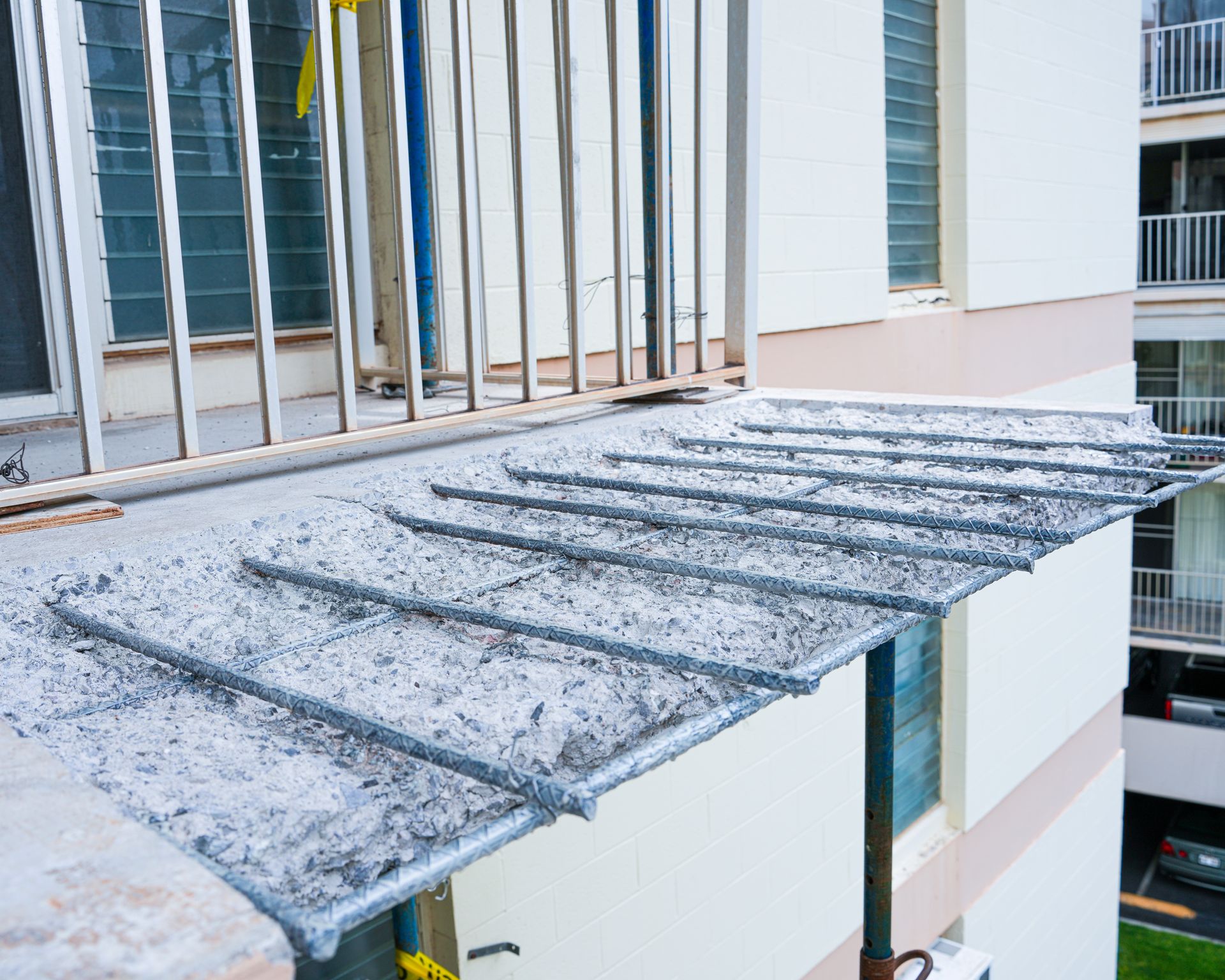
Concrete spalling happens when the concrete's surface begins to flake, crack, or break away due to underlying deterioration caused by moisture. After all, when it comes down to it, spalling is a moisture problem. When water and oxygen reach the reinforcing steel, the rebar corrodes and expands. When that expansion pushes outward, it causes the surrounding concrete to fracture and separate.
Hawai'i's environment accelerates this process at every stage. High humidity, frequent heavy rain, and persistent exposure to salty air increase the rate of corrosion, especially in coastal areas. Even well-built structures experience long-term wear when they are exposed to these conditions.
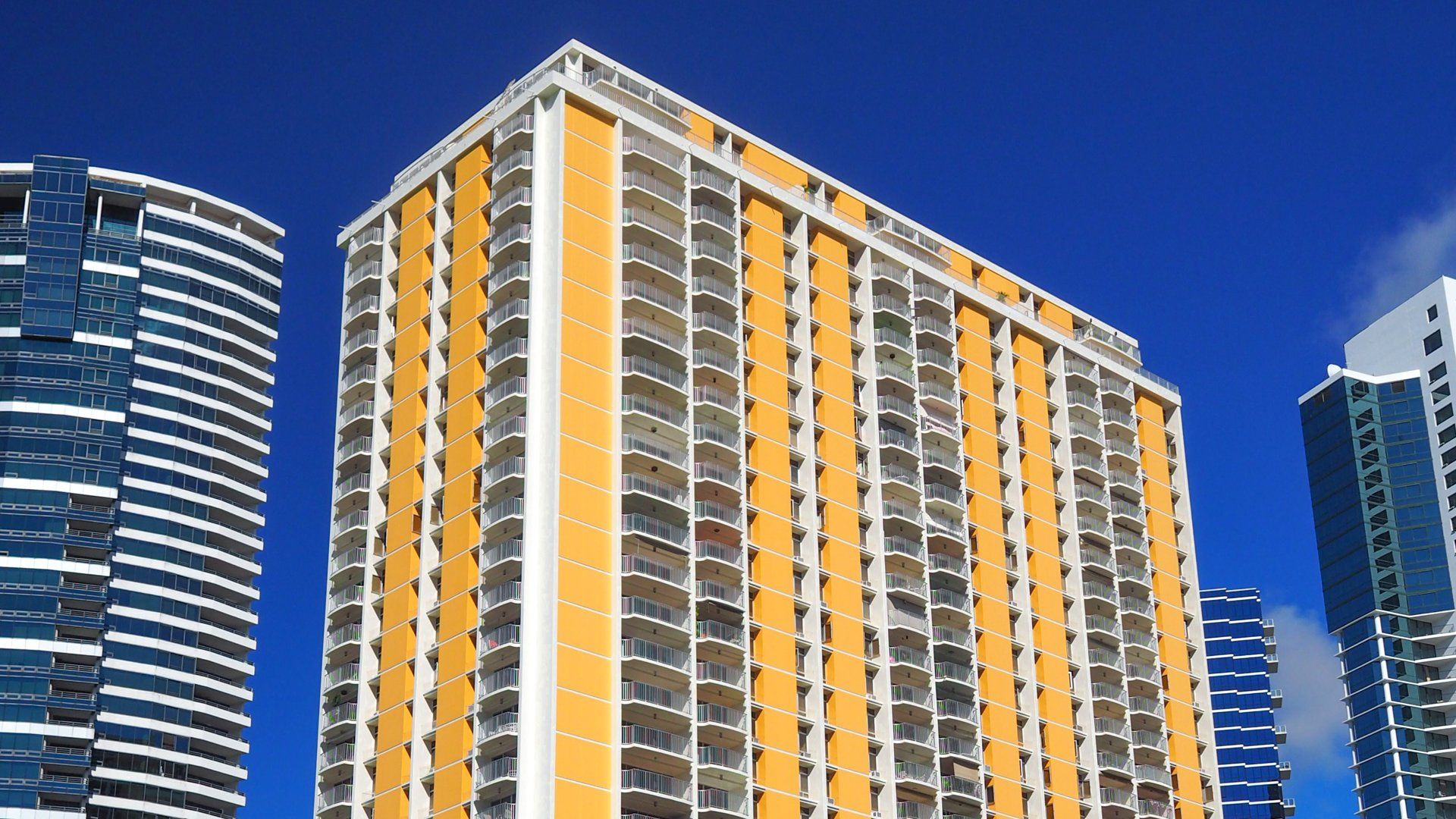
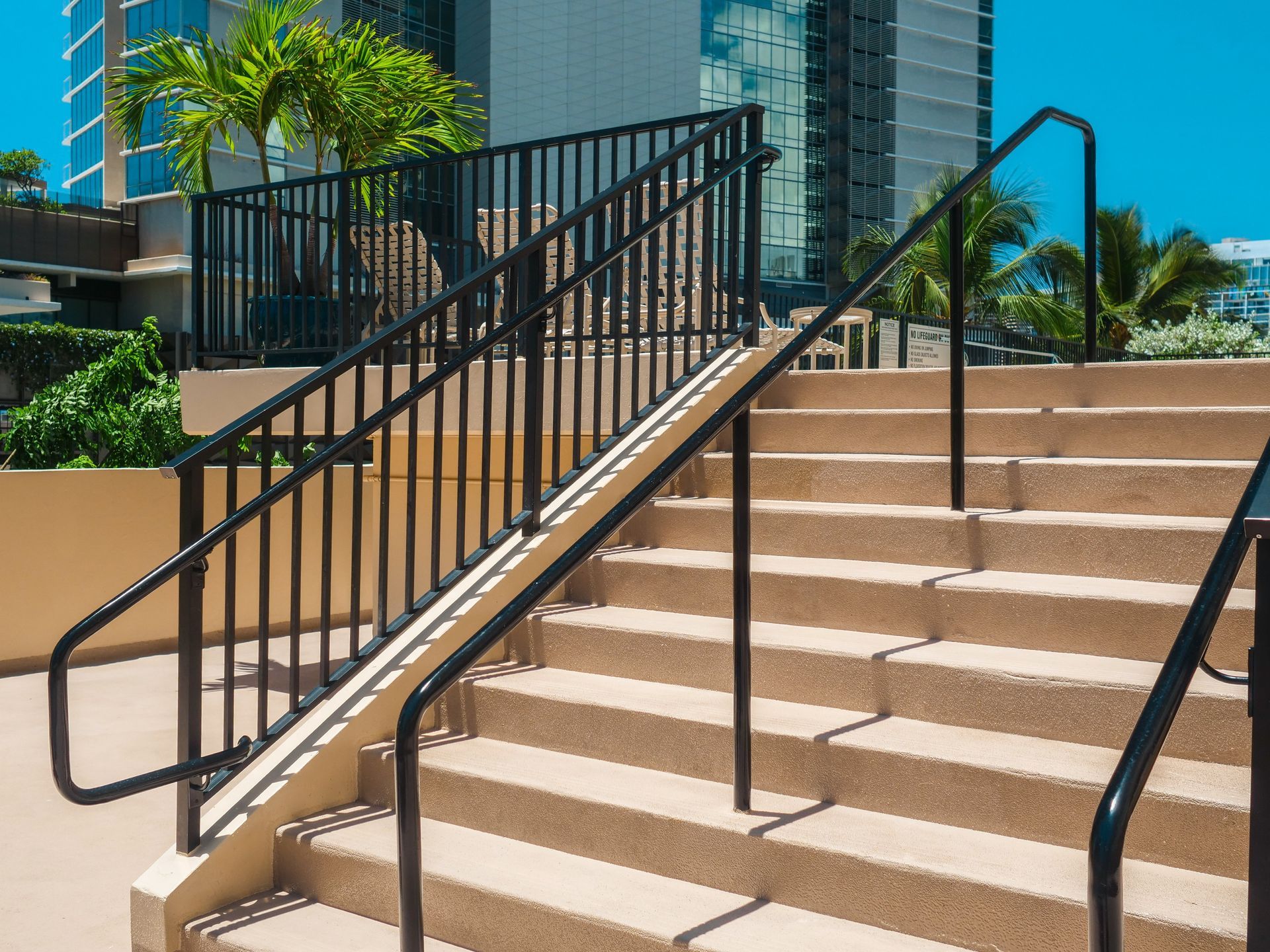
Concrete spalling can look different depending on the building. Commercial buildings often experience spalling along high-traffic walkways, in parking structures, at entryways, and on exposed columns. In hotels, condominiums, balconies, lanais, and structural slabs tend to be the most vulnerable. No matter the property type, early intervention is key to avoiding serious structural issues.
Early Warning Signs Property Managers and AOAO Boards Should Watch For
Concrete spalling develops over time. It begins with subtle surface changes before progressing into deeper structural concerns.
Here are some things that building managers, AOAO boards, and homeowners should look for:
- Surface flaking and peeling: These early surface changes often signal moisture infiltration beneath the concrete layer.
- Cracks along walkways, lanais, and structural surfaces: Even small cracks can allow water to reach the rebar, accelerating corrosion.
- Rust stains signaling moisture intrusion: Brown or orange streaks often indicate that the steel inside the concrete has begun to corrode.
- Exposed or corroding rebar: This is a clear sign that the concrete's structural integrity has already been compromised.
- Crumbling or delaminating concrete: You can tell spalling is already advanced when sections begin to break apart, or you can hear hollow areas when you tap them.
Risks of Ignoring Spalling in Commercial Buildings Hotels, and Residential Condominiums
The sooner you address spalling, the more manageable the restoration process becomes. Unaddressed concrete spalling leads to far more than cosmetic concerns. The risks increase quickly, especially in occupied buildings, and include:
Structural weakening and safety hazards: Spalling can compromise load-bearing areas, creating fall risks or failure points in balconies, walkways, and parking decks.- Escalating costs: Minor deterioration can often be repaired with surface waterproofing coating , but widespread damage requires full replacement, which is significantly more expensive.
- Moisture intrusion: Once water enters the concrete matrix, it can travel into adjacent building systems, affecting waterproofing, electrical pathways, and interior finishes.
- Increased liability: Property managers and AOAO boards are responsible for ensuring the safety of occupants. Allowing deterioration to spread increases risk exposure.
Professional Replacement and Long-Term Protection Solutions
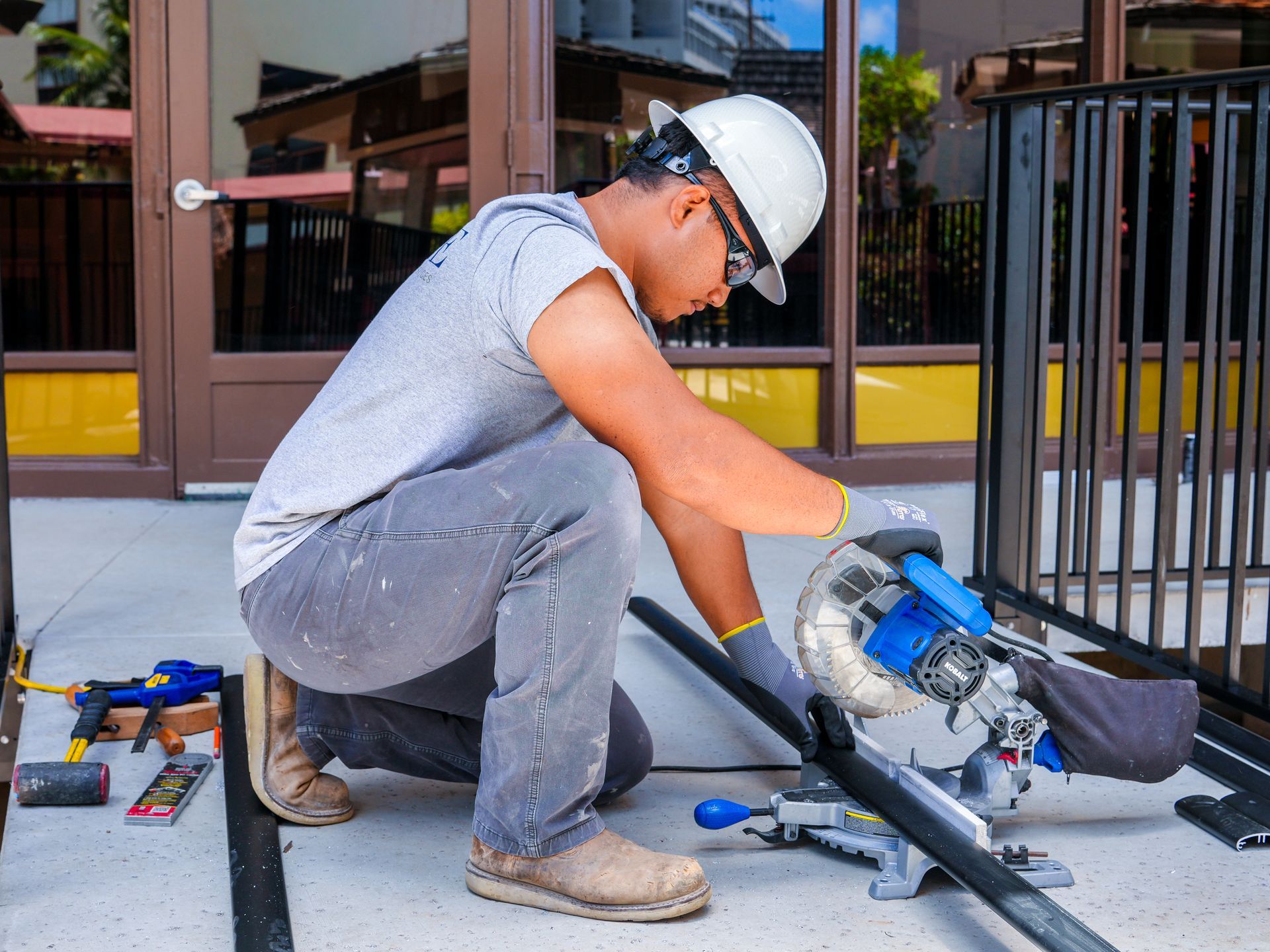
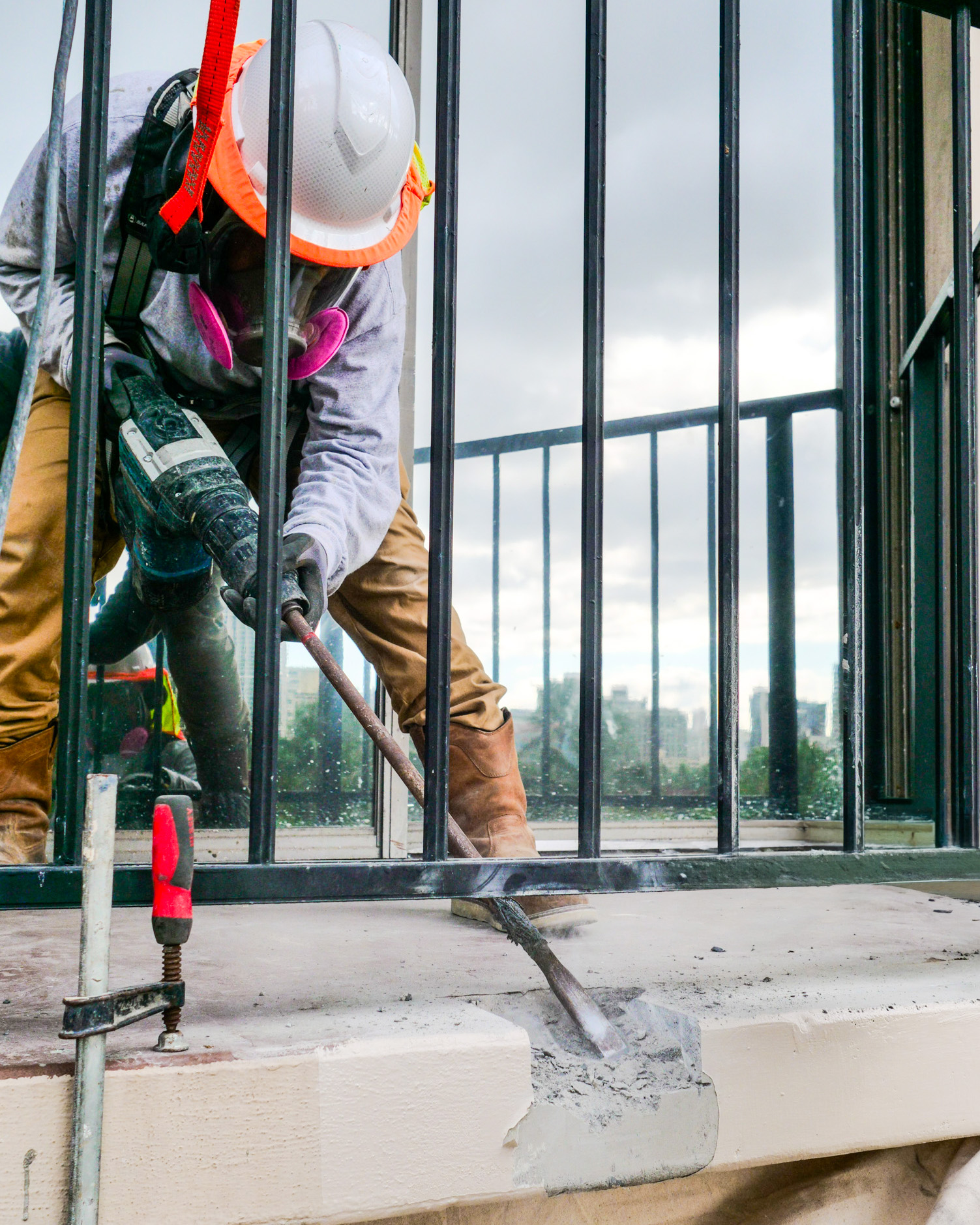
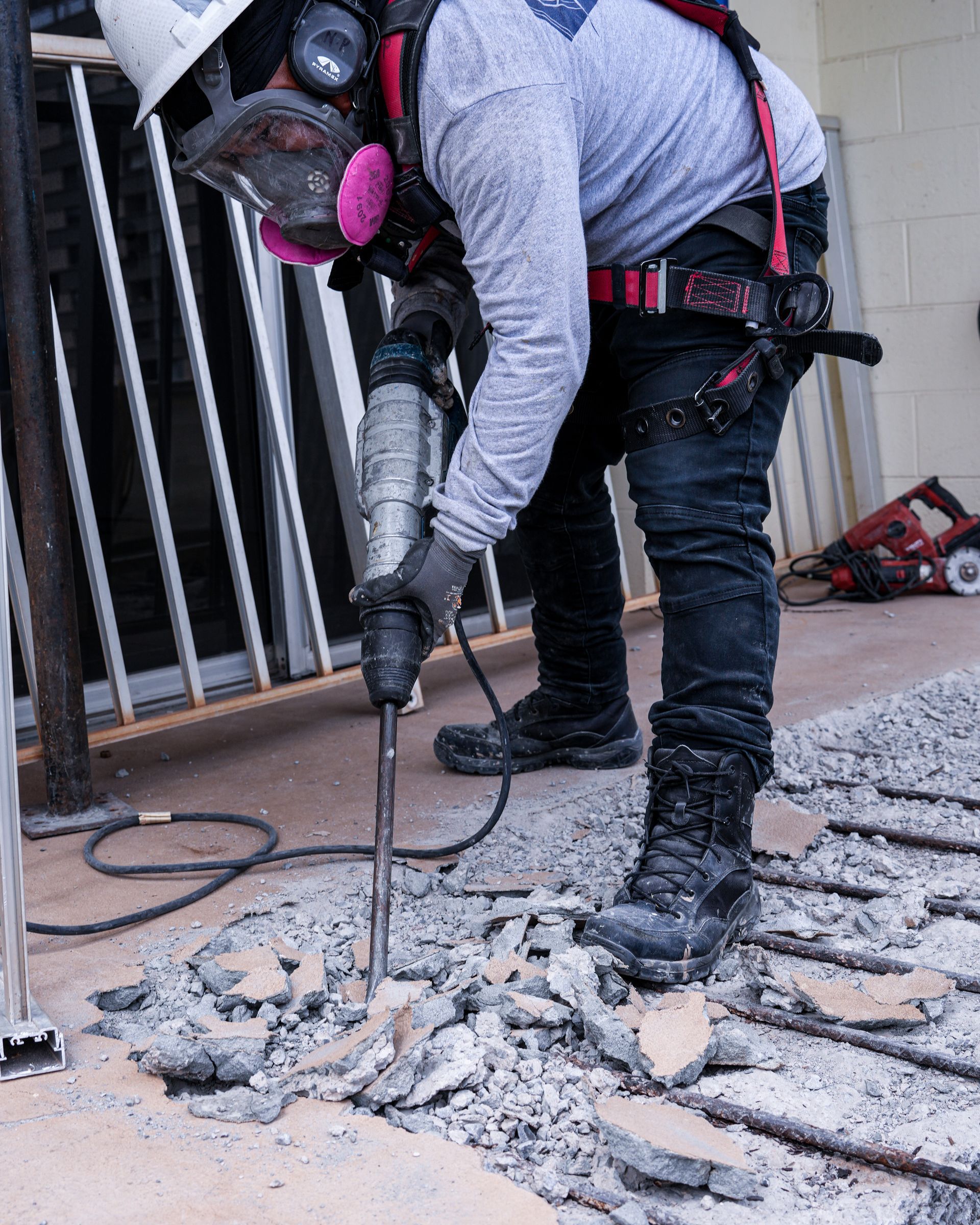
At Seal Masters of Hawai'i, we focus on complete replacement solutions that restore both safety and long-term performance. Depending on the extent of deterioration, options may include full concrete replacement, balcony or lanai rebuilds , walkway resurfacing, and full structural slab rebuilds.
After replacement, protective coatings and structured maintenance plans help slow future deterioration by reducing moisture intrusion and protecting concrete and rebar from corrosion. These long-term strategies are especially valuable in Hawai'i's climate, where environmental stressors are constant.
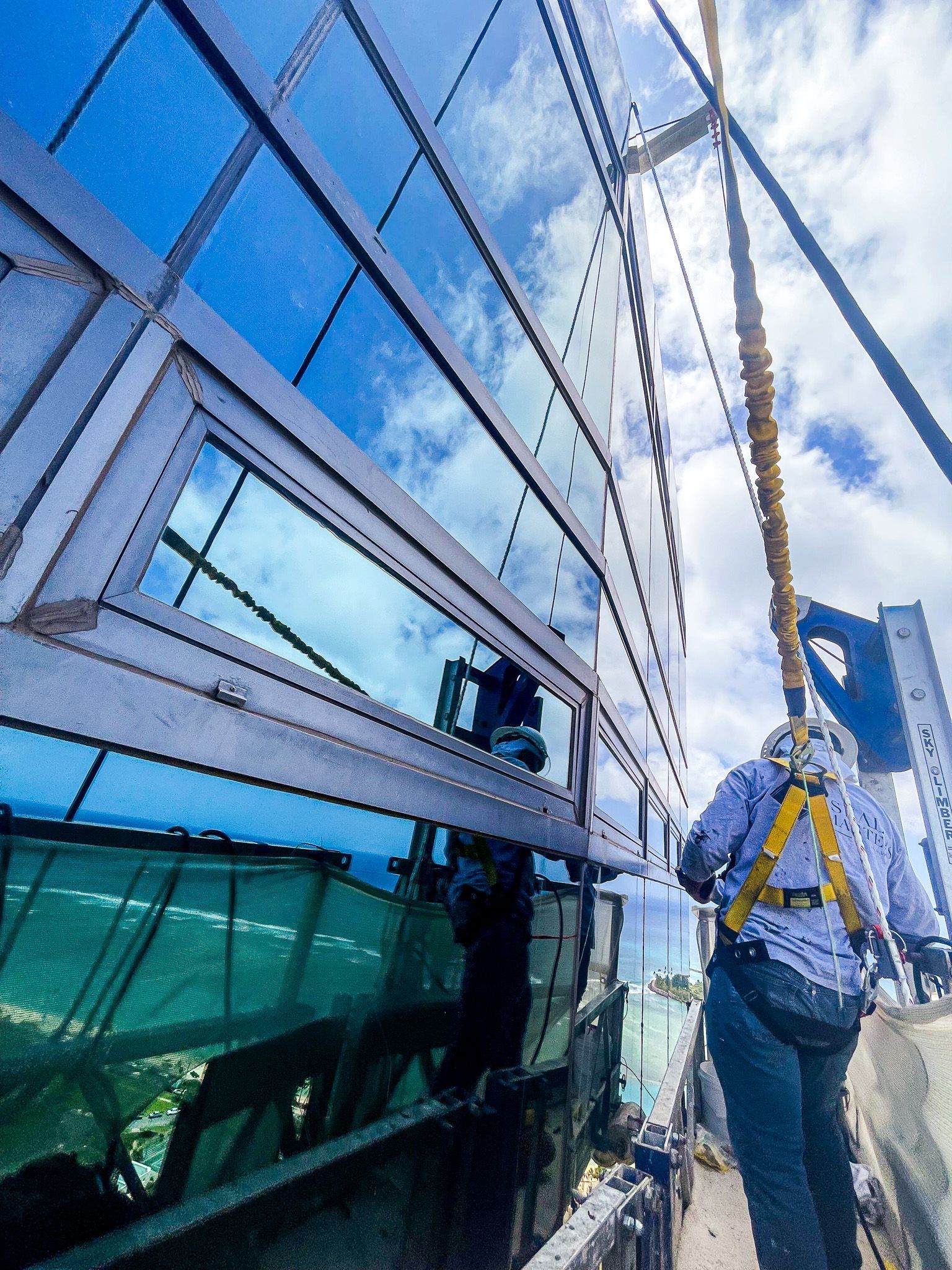
Our trained technicians follow our firm's proven Elite Master Plan, a
7-Step Process designed specifically for occupied building projects. This ensures minimal disruption, precise workmanship, and a high-quality finish that stands up to local conditions.
If you've noticed early signs of spalling or just want peace of mind about your building's condition,contact us to schedule a professional inspection or assessment consultation with Seal Masters of Hawai'i. Our team is equipped to restore safety, protect property value, and ensure your building remains sound for years to come.
Image Credit: Richard Nantais // Shutterstock