Concrete Repair in Hawai‘i: Why It Matters and How to Do It Right
Hawai‘i’s unique climate presents a serious challenge to buildings and infrastructure. With constant exposure to salty ocean air, high humidity, and heavy rains, concrete deterioration is a common issue that property owners must address. Without proper maintenance and repair, structural integrity can weaken, leading to costly damage and safety hazards. In this blog, we’ll explore why concrete repair is crucial in Hawai‘i and the best practices for keeping your structures strong and long-lasting.
Why Our Climate Wreaks Havoc on Concrete
Concrete is strong, but even the toughest materials can break down under harsh conditions. Here’s why concrete repair is a non-negotiable in Hawai‘i:
- Salt Corrosion: The salty ocean air accelerates corrosion of reinforcing steel within concrete, leading to cracks and structural instability.
- High Humidity & Rainfall: Constant exposure to moisture causes concrete to expand, contract, and develop cracks over time.
- UV Radiation: The Hawaiian sun can cause surface degradation, making concrete more susceptible to weathering.
- Soil Movement & Settling: Shifting foundations due to soil conditions can create fractures in concrete slabs and walls.
Ignoring these issues can lead to costly repairs down the line. The key? Regular inspections and timely concrete repair.
Signs Your Concrete Needs Repair
How do you know when it’s time to call in the experts? Watch for these warning signs:
- Cracks and Fractures: Small cracks can quickly spread, compromising structural integrity.
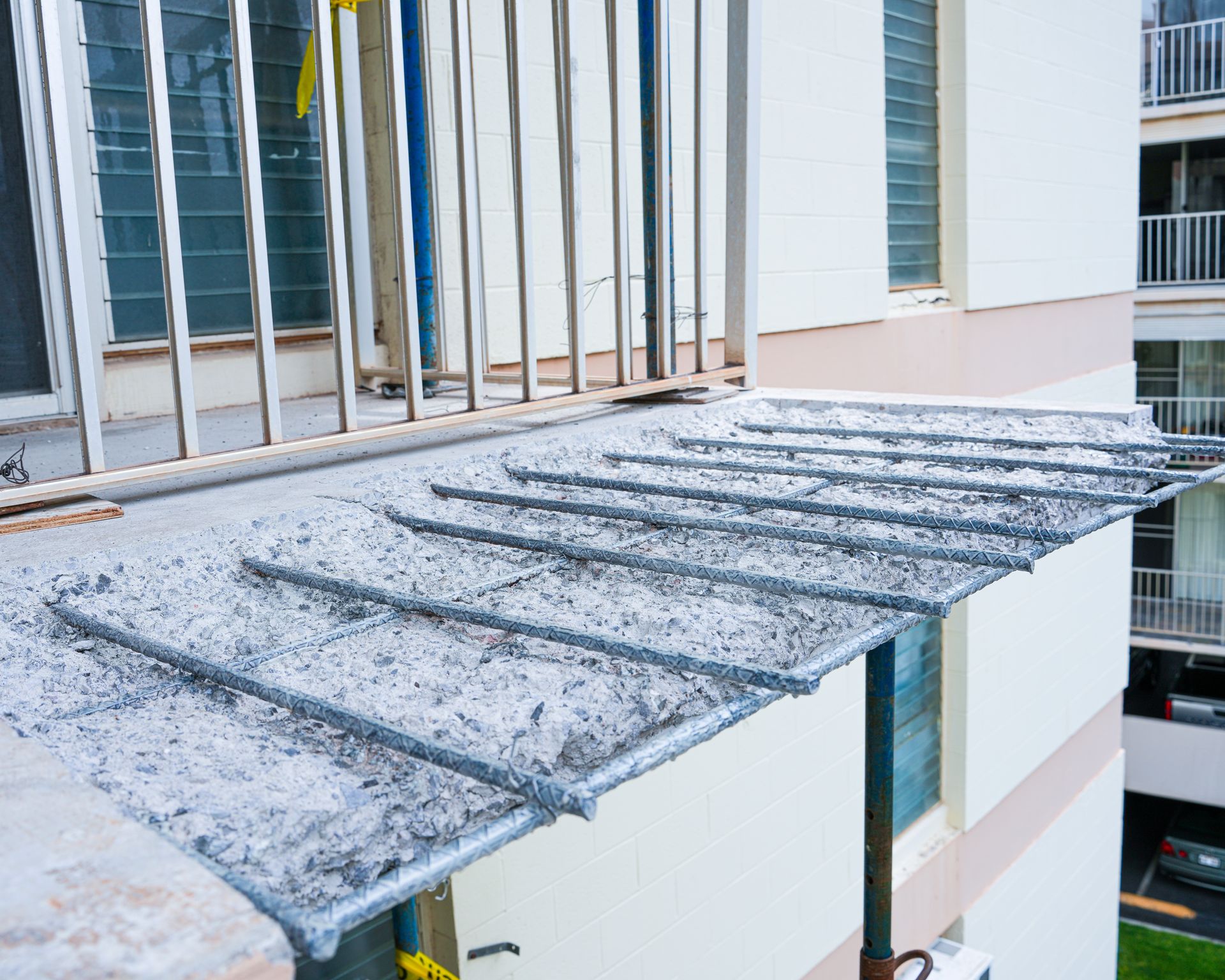
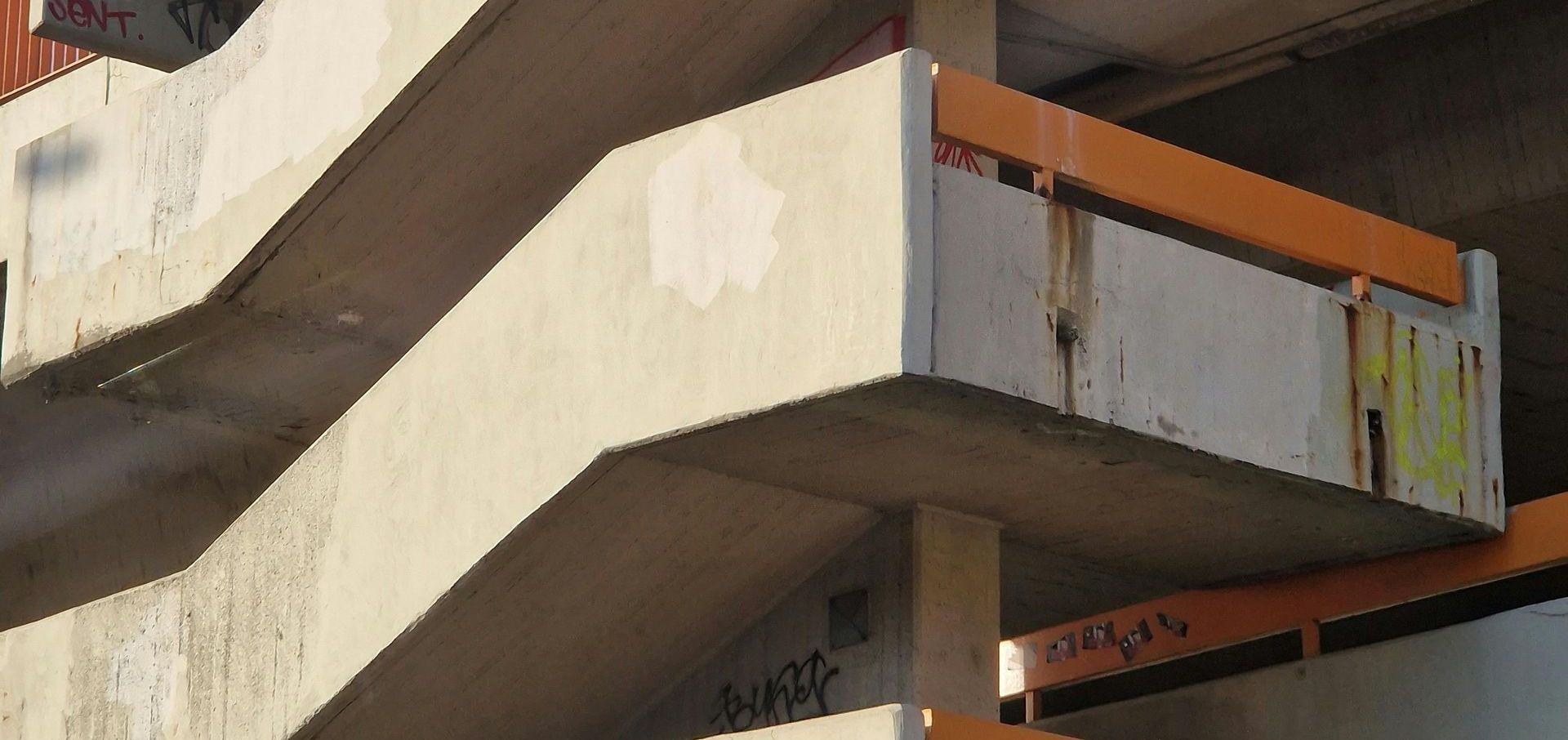
- Spalling (Flaking or Chipping): This indicates water intrusion and rebar corrosion.
- Discoloration or Rust Stains: A sign that moisture is reaching the reinforcing steel inside.
- Uneven Surfaces or Settlement: This could mean the foundation is shifting, requiring immediate attention.
- Water Pooling or Leaks: If water isn’t draining properly, your concrete could be deteriorating underneath.
Spot any of these red flags? Don’t wait! The sooner you address the issue, the less expensive and invasive the repair process will be.
Seal Masters of Hawai‘i’s Concrete Repair Process
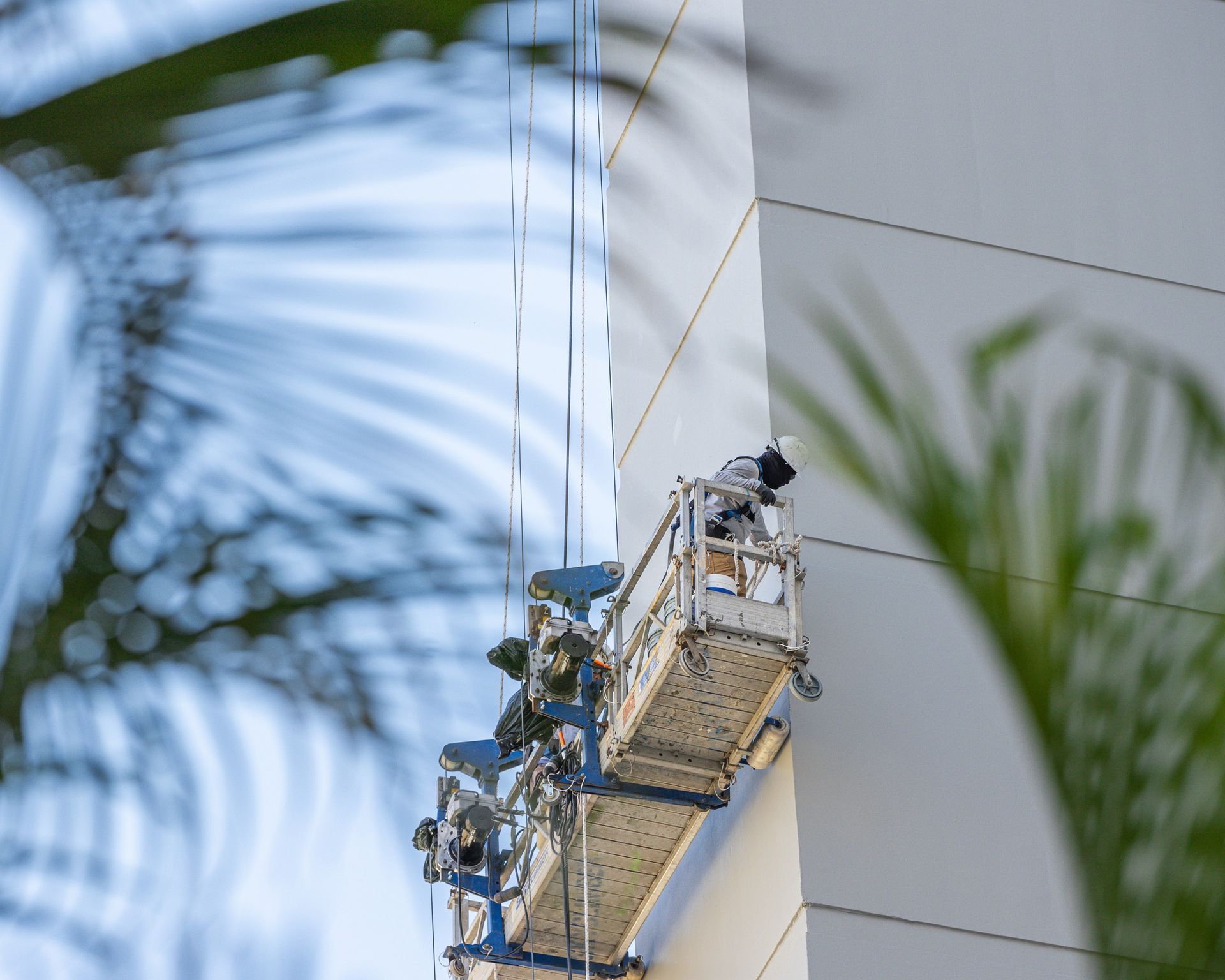
At Seal Masters of Hawai‘i, we follow industry-leading techniques to ensure durable and long-lasting repairs. Here’s how we tackle concrete restoration:
1. Damage Assessment & Inspection
Before any repair begins, our team conducts a thorough evaluation to determine the root cause of the damage. We use high-tech scanning tools to identify underlying issues such as moisture penetration, corrosion, or structural weaknesses.
2. Surface Preparation
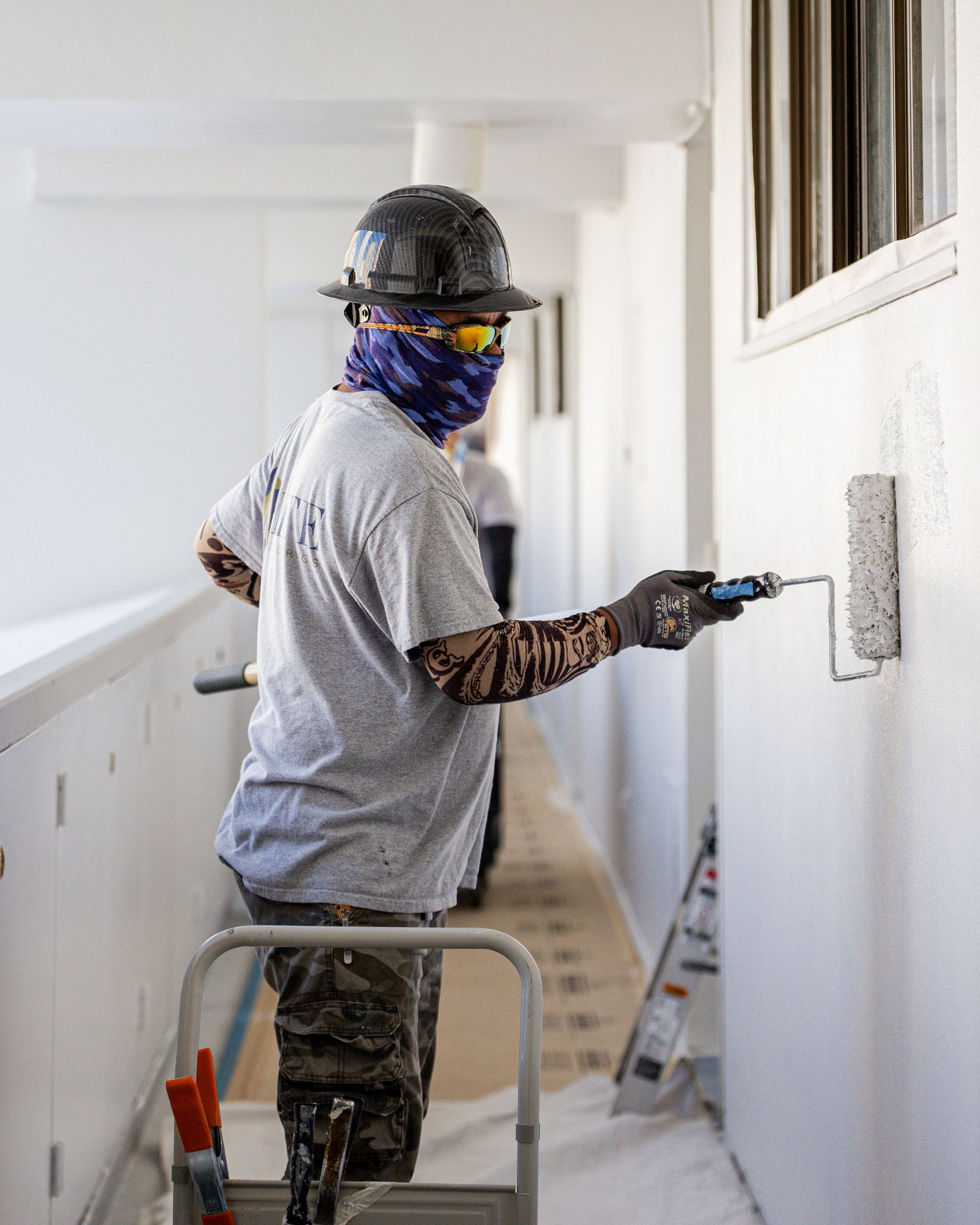
Proper preparation is critical for effective repairs. We remove loose debris, clean the damaged areas, and create a bonding surface for new concrete or sealants.
3. Structural Reinforcement
For deeper cracks and major damage, we use advanced materials such as epoxy injections, polymer-modified cement, and fiber reinforcement to restore strength and durability.
4. Waterproofing & Sealant Application
Once the repair is complete, we apply high-quality waterproofing solutions to protect against future moisture intrusion. This step is essential in Hawai‘i’s humid and rainy climate.
5. Preventative Maintenance & Regular Inspections
Concrete repair isn’t just a one-time fix. To extend the lifespan of your building, we recommend annual inspections and preventative maintenance to catch minor issues before they become costly disasters.
Frequently Asked Questions About Concrete Repair in Hawaii
How long does concrete repair last in Hawai‘i's climate?
The lifespan of concrete repairs depends on the extent of the damage, the repair methods used, and ongoing maintenance. Professional repairs combined with regular inspections and preventative maintenance can help concrete withstand Hawai‘i's harsh coastal conditions for years.
What causes concrete spalling in Hawai‘i?
Concrete spalling is commonly caused by moisture intrusion and the corrosion of reinforcing steel. Hawai‘i's salty ocean air, high humidity, and frequent rainfall accelerate this process, causing concrete to crack, chip, or flake over time.
Can cracked concrete be repaired without replacing it?
Yes. Many cracks can be repaired using specialized materials and techniques if they are identified early. Prompt repairs help restore structural integrity and prevent minor damage from becoming more extensive and costly.
When should a commercial building be inspected for concrete damage?
Commercial buildings should be inspected regularly, especially in Hawai‘i's coastal environment. Annual inspections and evaluations after severe weather can help identify cracks, moisture intrusion, or other issues before they worsen.
Should waterproofing be applied after concrete repair?
Yes. Applying waterproofing after concrete repair helps protect against future moisture intrusion, reducing the risk of additional deterioration and extending the life of the repaired concrete.