Building a Workforce That Stays
What Hawaiʻi's Employers Must Understand About Gen Z
Hawaiʻi's construction and built-environment industries are facing a generational shift. As Generation Z enters the workforce, traditional recruitment approaches are becoming less effective. (Gen Z is typically defined as the demographic born between the mid-1990s and the early 2010s.) Younger professionals are not only asking what a job pays, but what it represents, how it fits into their lives and whether it offers long-term stability in a state where building a future often requires difficult financial decisions.
For industries already managing workforce shortages, this shift is not abstract. It affects project timelines, jobsite safety and the long-term care of Hawaiʻi's aging high-rises and commercial properties. In a place where many young people must choose between staying home or relocating for opportunity, workplace experience carries real weight.
As of 2024, Millennials (born early-1980s to mid-1990s) make up roughly 36% of the U.S. workforce, followed by Generation X (born mid-1960s to late-1970s) at about 31%, Gen Z at 18% and Baby Boomers (born mid-1940s to mid-1960s) at 15%, underscoring how multigenerational dynamics are reshaping today's labor market.
The broader workforce mindset is shifting as well. Previous generations often approached work by asking what they could contribute in exchange for steady employment and long-term security. Today, many younger professionals evaluate work by asking what it will provide in return, whether that means flexibility, mentorship, stability or alignment with personal goals. In an employee-driven labor market, organizations are being evaluated as carefully as they evaluate candidates.
Compensation and steady work remain important. But younger professionals are also assessing leadership, communication and organizational consistency. For decades, construction emphasized production and output. Those fundamentals still matter; buildings must be maintained and projects must stay on schedule. Yet workplace culture now directly influences operational performance.
For Gen Z, culture is not about perks. It is about daily interaction. It is how supervisors communicate onsite, how teams coordinate in occupied buildings and how accountability is handled when problems arise. Organizations that operate with clarity and professionalism are more likely to retain strong teams and maintain safer work environments.
Stability is equally critical in Hawaiʻi's high-cost environment. Young professionals want steady work, visible leadership and confidence that the organization they join will remain viable in the years ahead. Internship opportunities that expose high school graduates to real project environments, paired with structured mentorship and leadership training, demonstrate that construction and property management offer defined career paths rather than temporary roles.
At the same time, Hawaiʻi's public school system is evolving. Through career-connected learning models such as the Academy framework implemented in complexes like Waipahu, students are introduced to career pathways earlier and more intentionally than in previous generations. Exposure to industry themes, internships and work-based learning is increasingly built into the educational experience. The pipeline is beginning well before graduation and young people are forming expectations about what professional workplaces should look like. If the environments they encounter feel disorganized or disconnected from the realities of living and working in Hawaiʻi, they will look elsewhere.
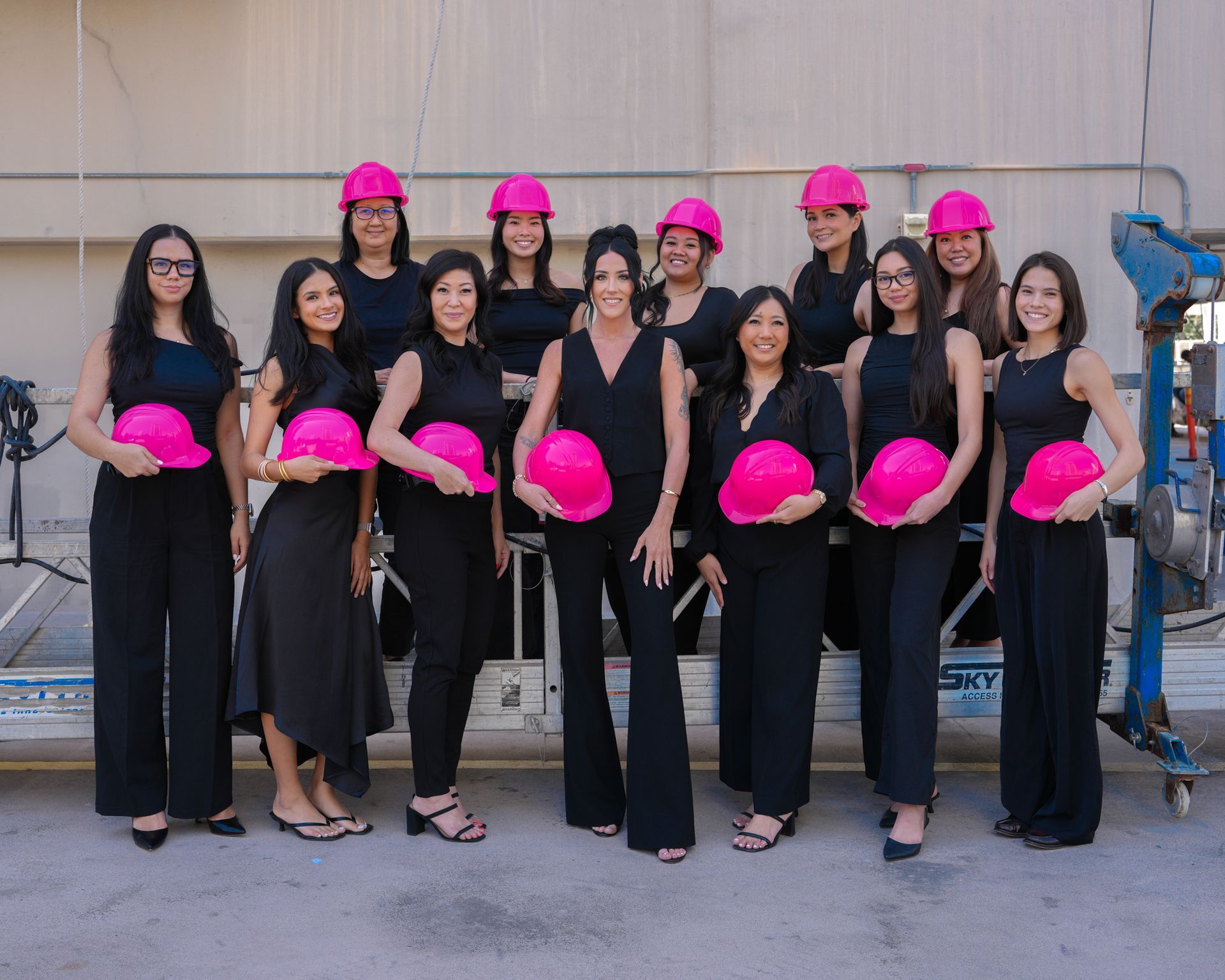
The growing presence of women in field and leadership roles reinforces the importance of professional standards. Inclusive, respectful environments are not symbolic; they are practical workforce strategies. Clear expectations and consistent leadership strengthen collaboration and broaden the talent pool available to our industry.
Reputation also plays a role. In Hawaiʻi, relationships matter. Participation in career days, school partnerships and industry organizations signals long-term commitment to the communities we build and maintain. Young professionals notice consistency.
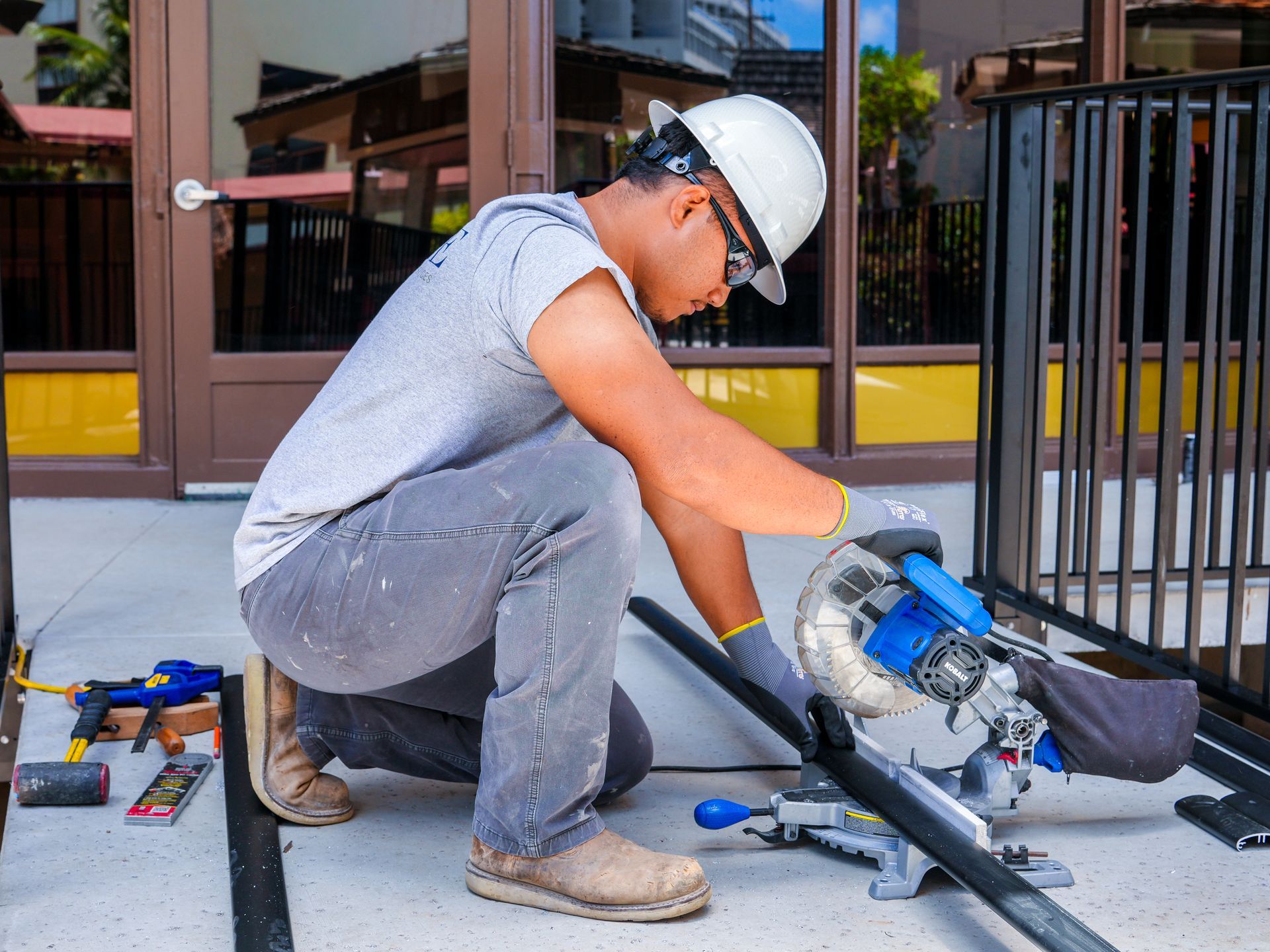
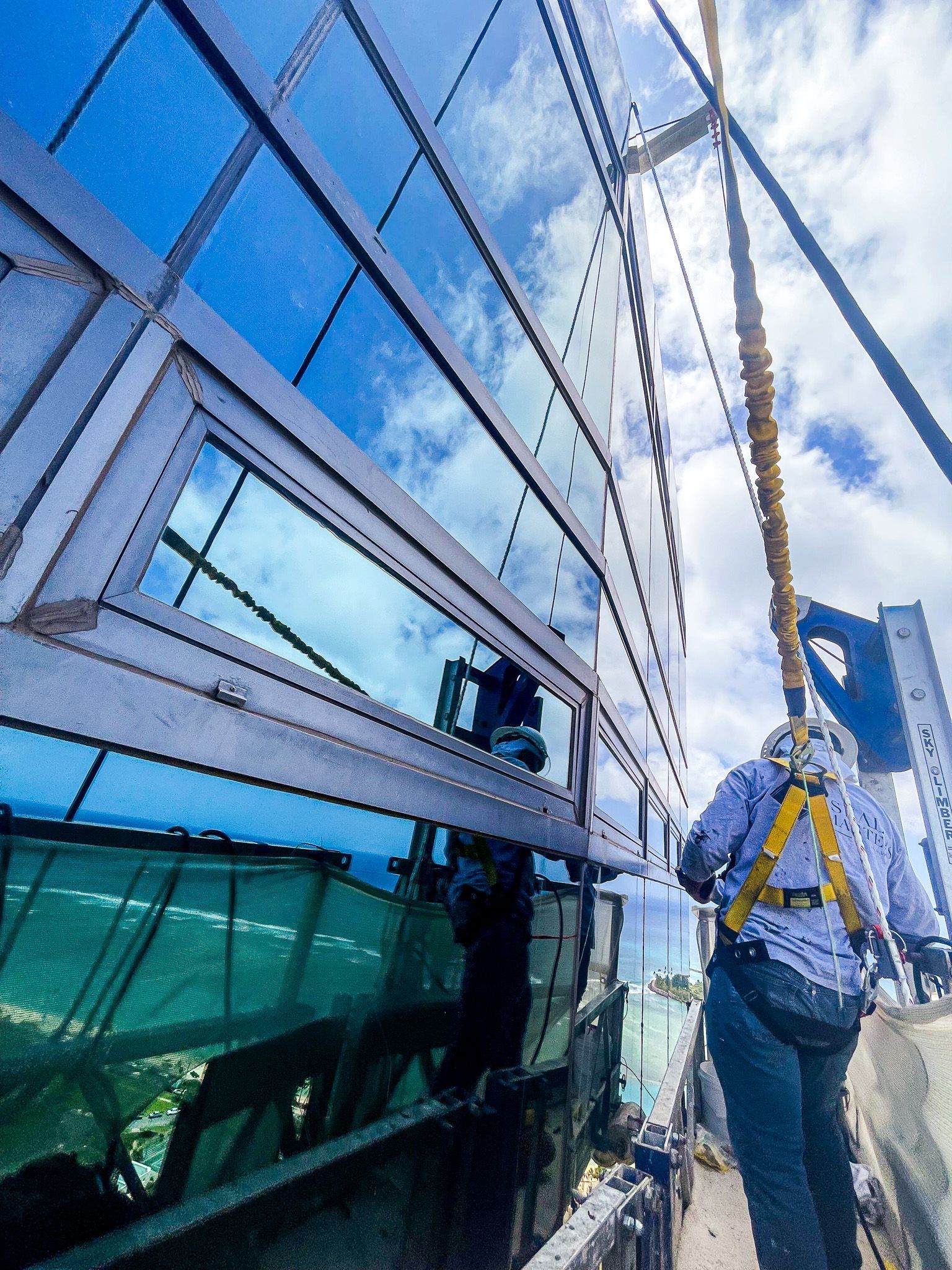
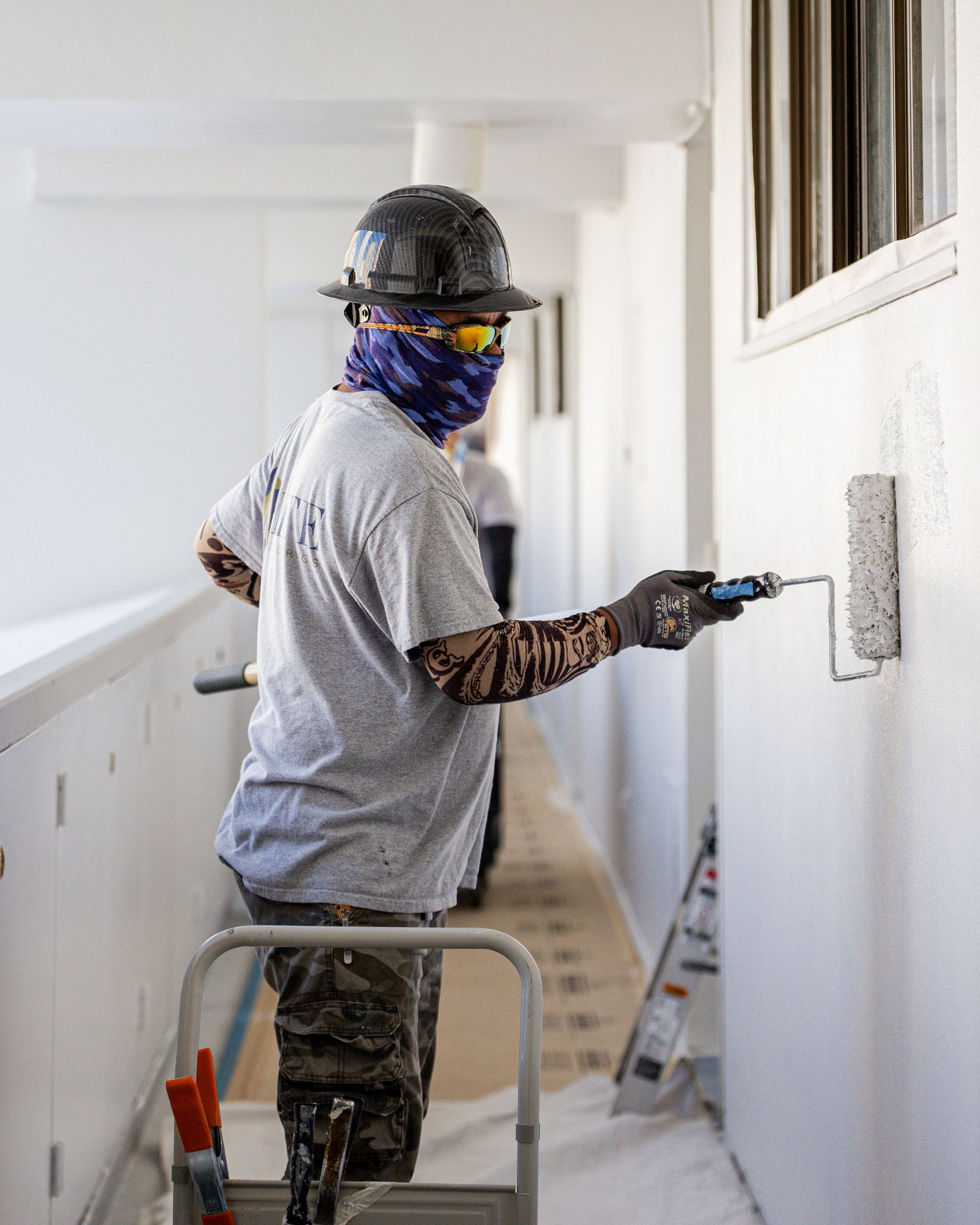
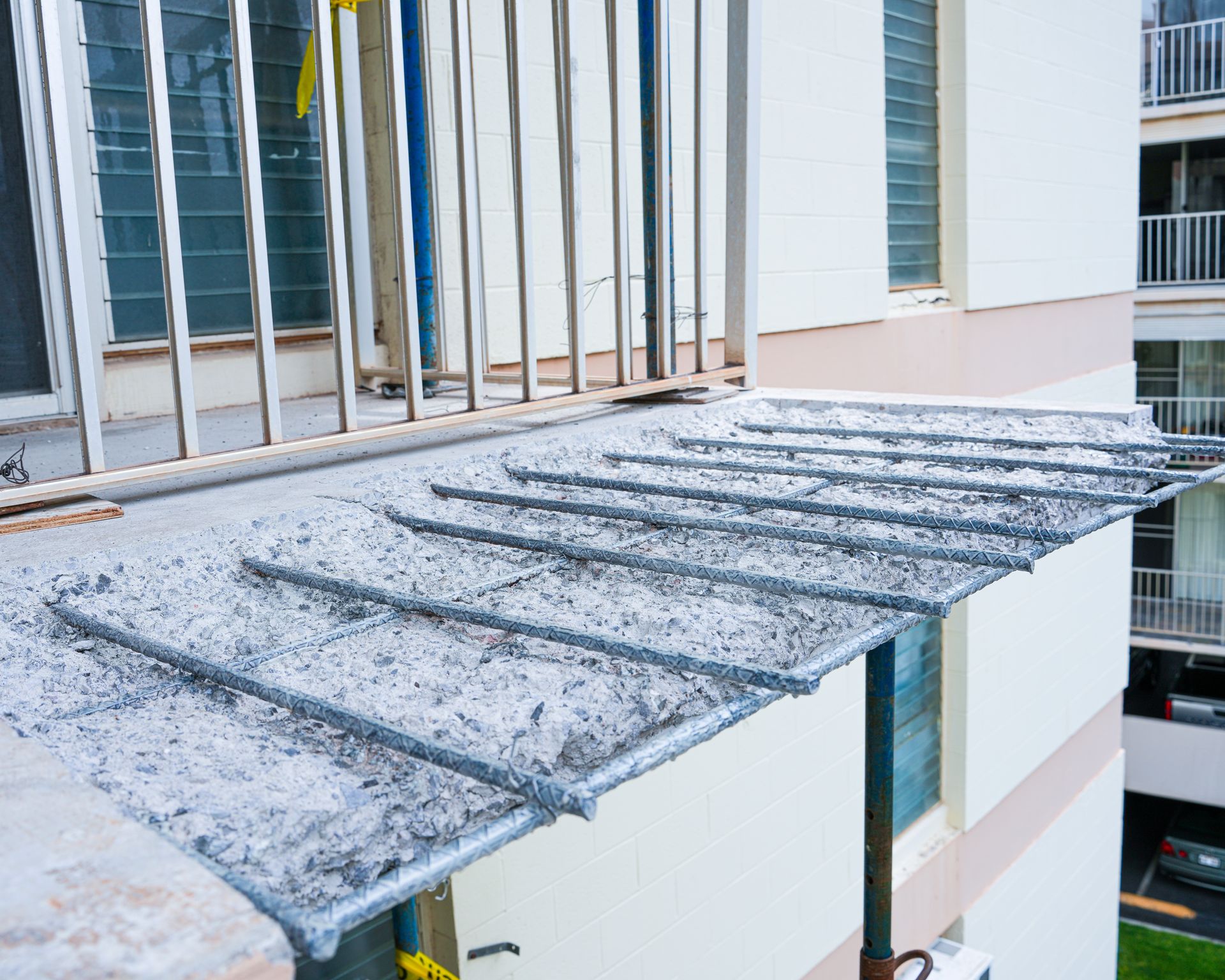
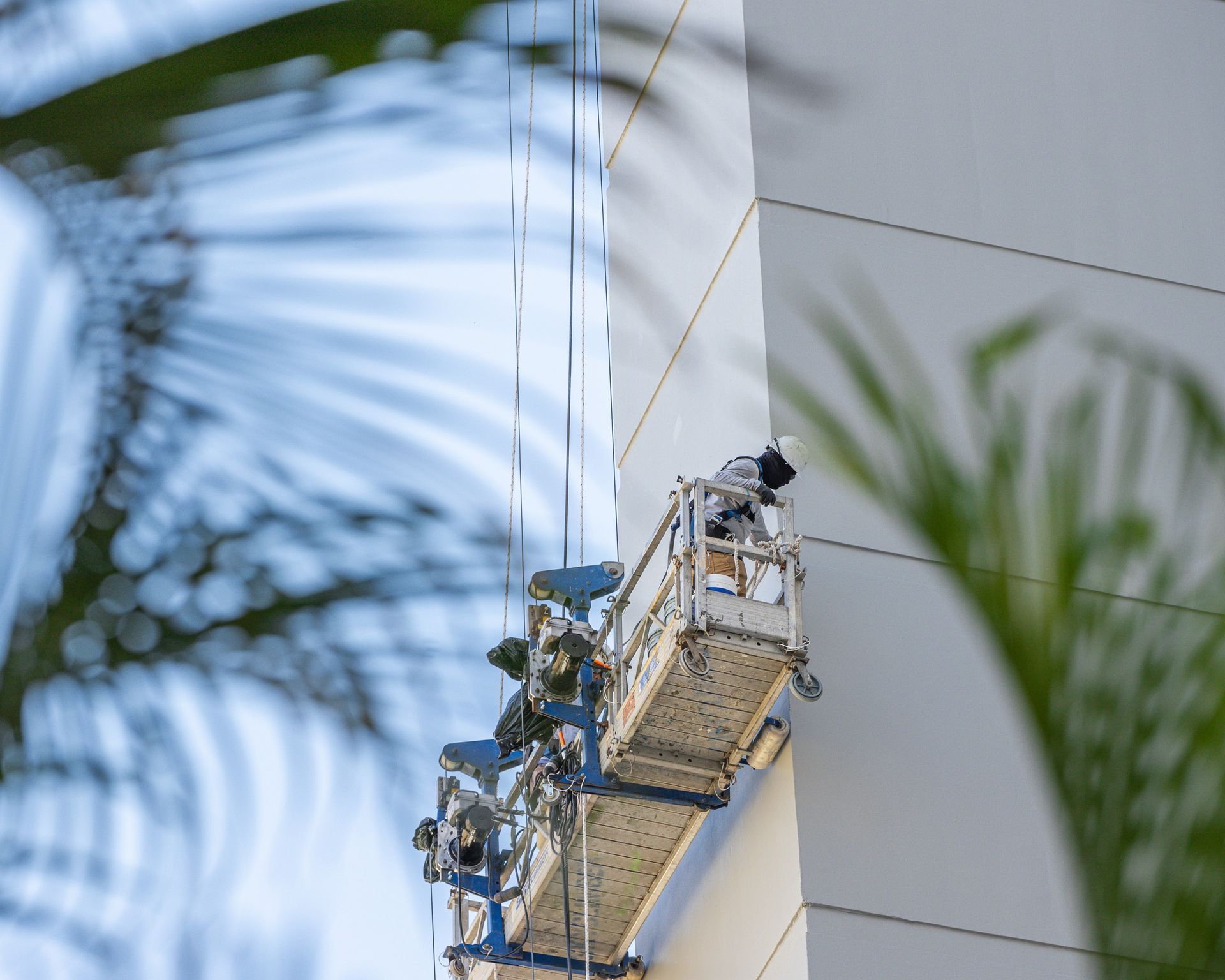
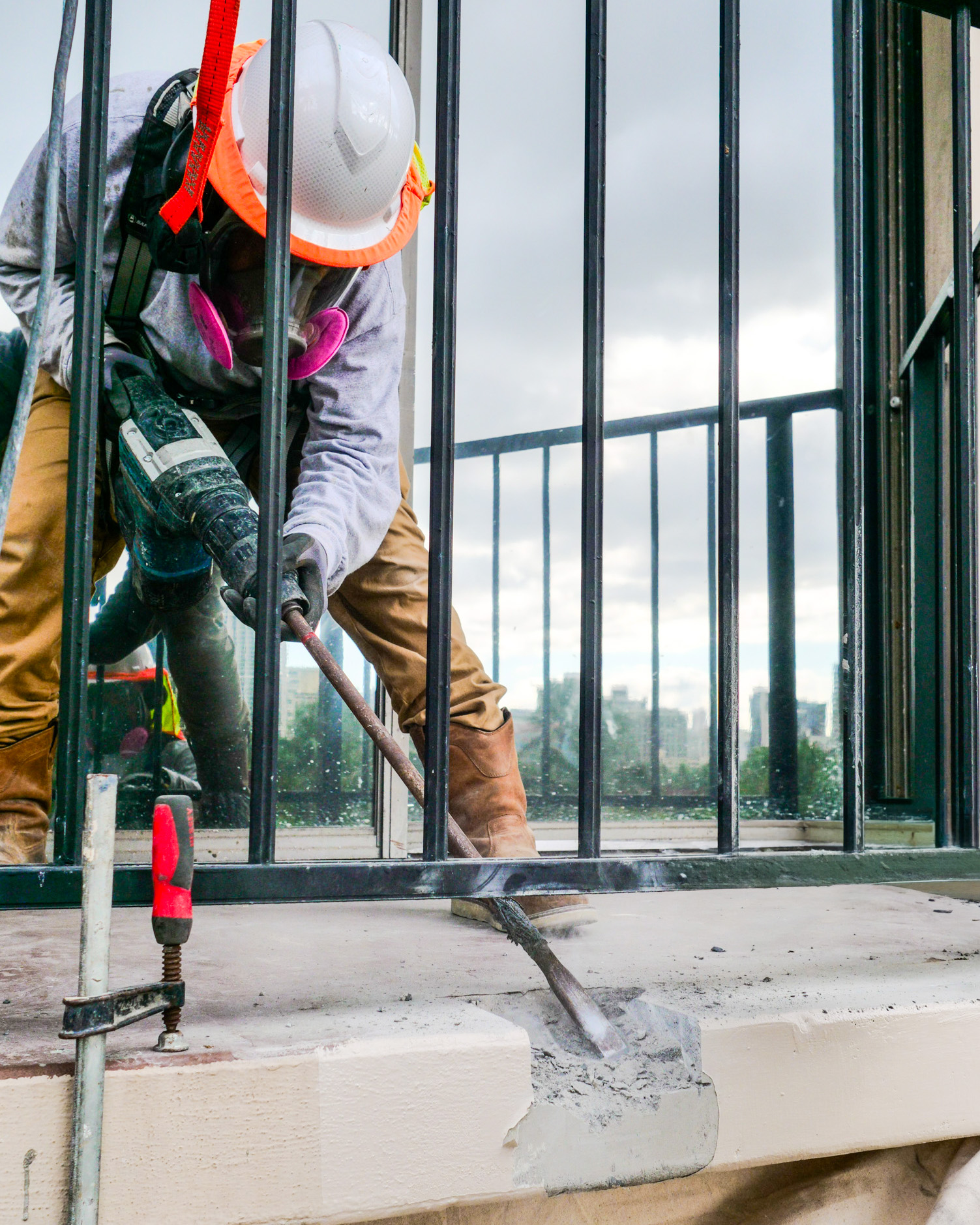
Recruitment has shifted as well. Gen Z often forms impressions online before submitting an application. An organization's digital presence should reflect reality: Showing real projects, real teams and real challenges builds credibility.
Gen Z is not asking for special treatment. They are asking for clarity, professionalism and stability. The organizations that succeed in Hawaiʻi's evolving construction and property management landscape will be those that intentionally create environments where people can see a future for themselves. That is not a trend. It is a requirement for sustaining the workforce that maintains Hawaiʻi's buildings and communities.
Randi Lau is the director of business development for Seal Masters of Hawaiʻi and Elite Construction Services.