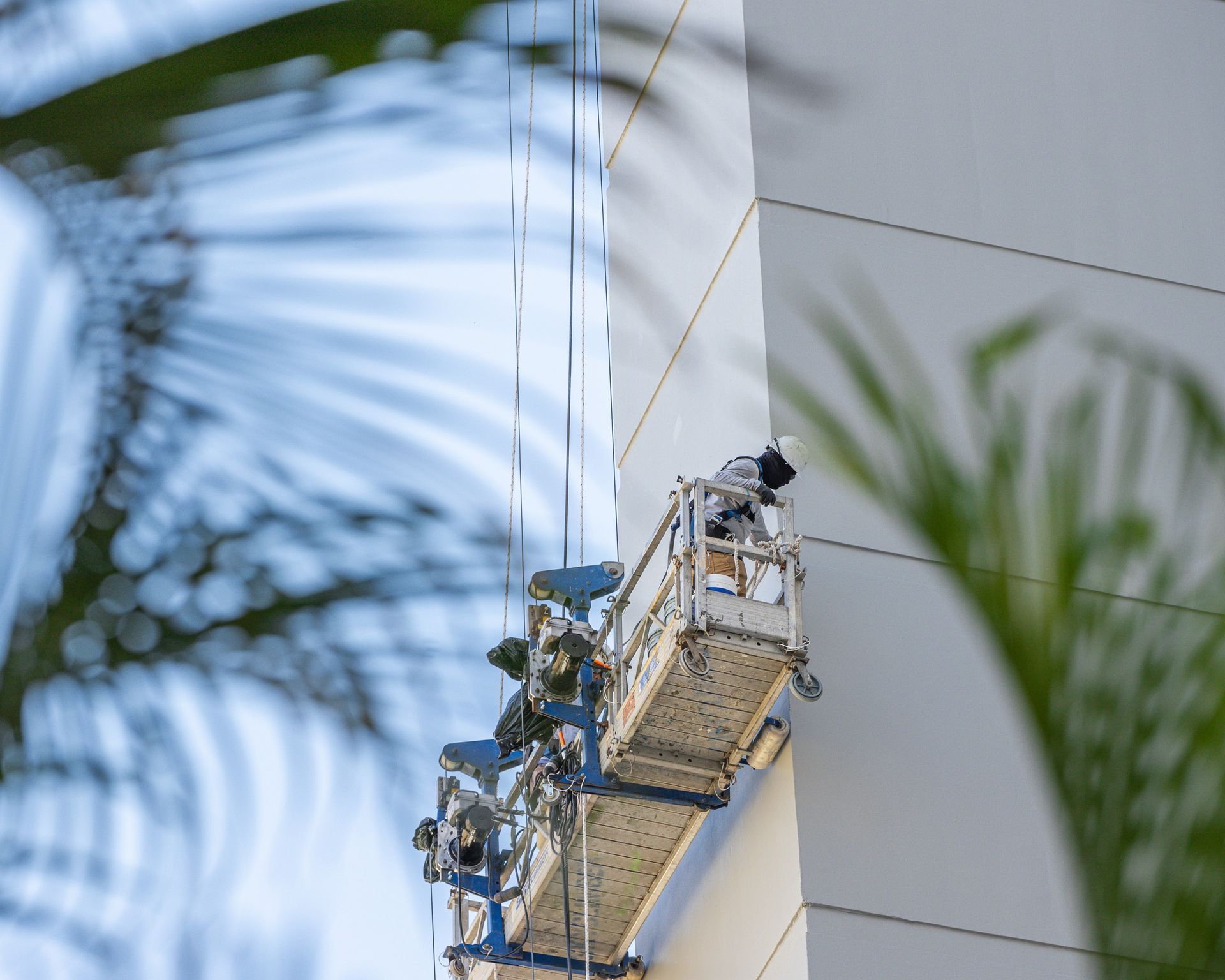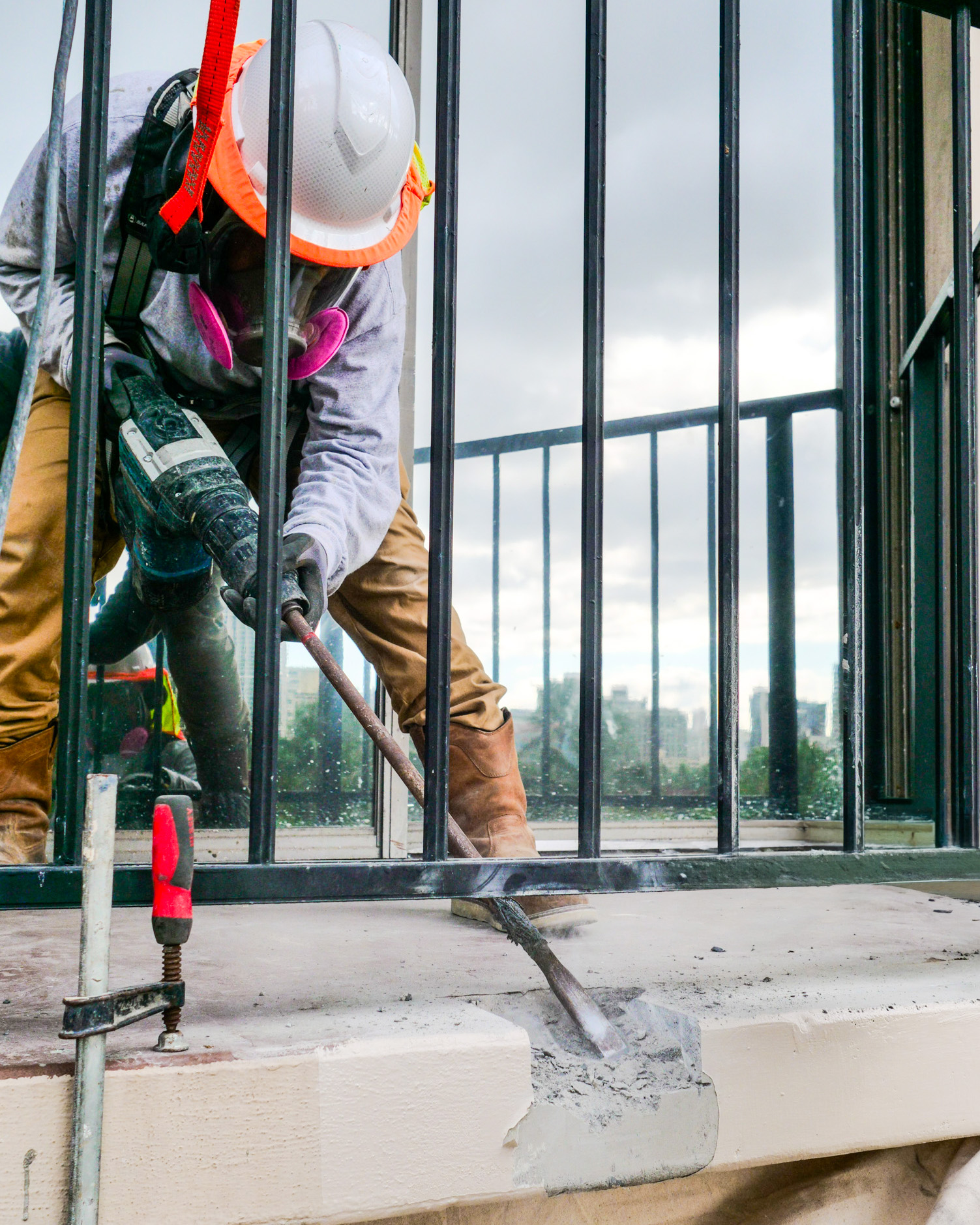
Wind, rain, and flooding don't create building problems. They expose the ones that were already there!
Exterior Envelope & Water Intrusion
The Rain Passes.
The Problems Don't.
Wind, rain, and flooding don't create building problems. They expose the ones that were already there — and the difference between a minor repair and a major liability often comes down to how quickly you recognize the signs.
The recent storms left more than flooded streets and downed trees. With over $1 billion in damages across the islands, according to preliminary state damage assessments, 1 our community is still accounting for what was lost in more ways than one. For property managers and board members, that accounting has to go deeper than what is visible. This kind of weather is not just an operational inconvenience. It is a stress test. And stress tests reveal things about your building that you did not notice before.
The important thing to understand is that what you are seeing after a storm almost never started during the storm. A fresh water stain on a ceiling, window sealant cracking and leaking, or a crack in concrete that seems to have appeared overnight are rarely new problems. They are existing vulnerabilities that the weather finally made visible.
Recognizing that distinction changes everything about how you respond.
How water moves through a structure
Water is patient and indifferent. It finds the path of least resistance and follows it through a hairline crack in a concrete surface, past a sealant joint that has dried and contracted, around a window frame where the internal drainage components have degraded over decades. Once inside the building envelope, it does not stay where it entered. It migrates. It can travel through various building components before it becomes visible to anyone.
This is why a leak appearing on the third floor of a building may have nothing to do with the third floor. The entry point could be two stories above, at a horizontal deck surface, or at a joint where two different cladding materials meet. By the time water announces itself, it has often been traveling for a while.
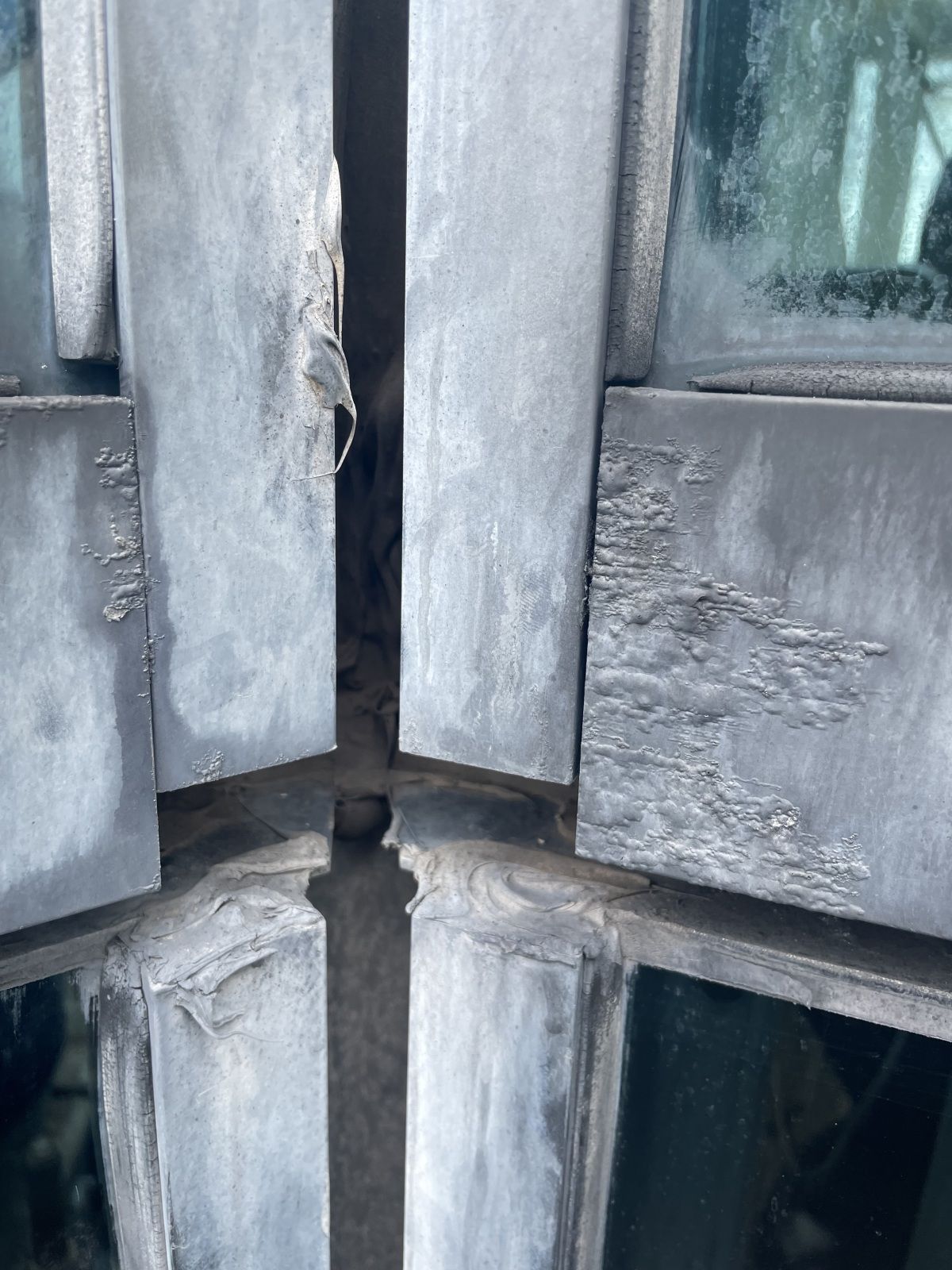
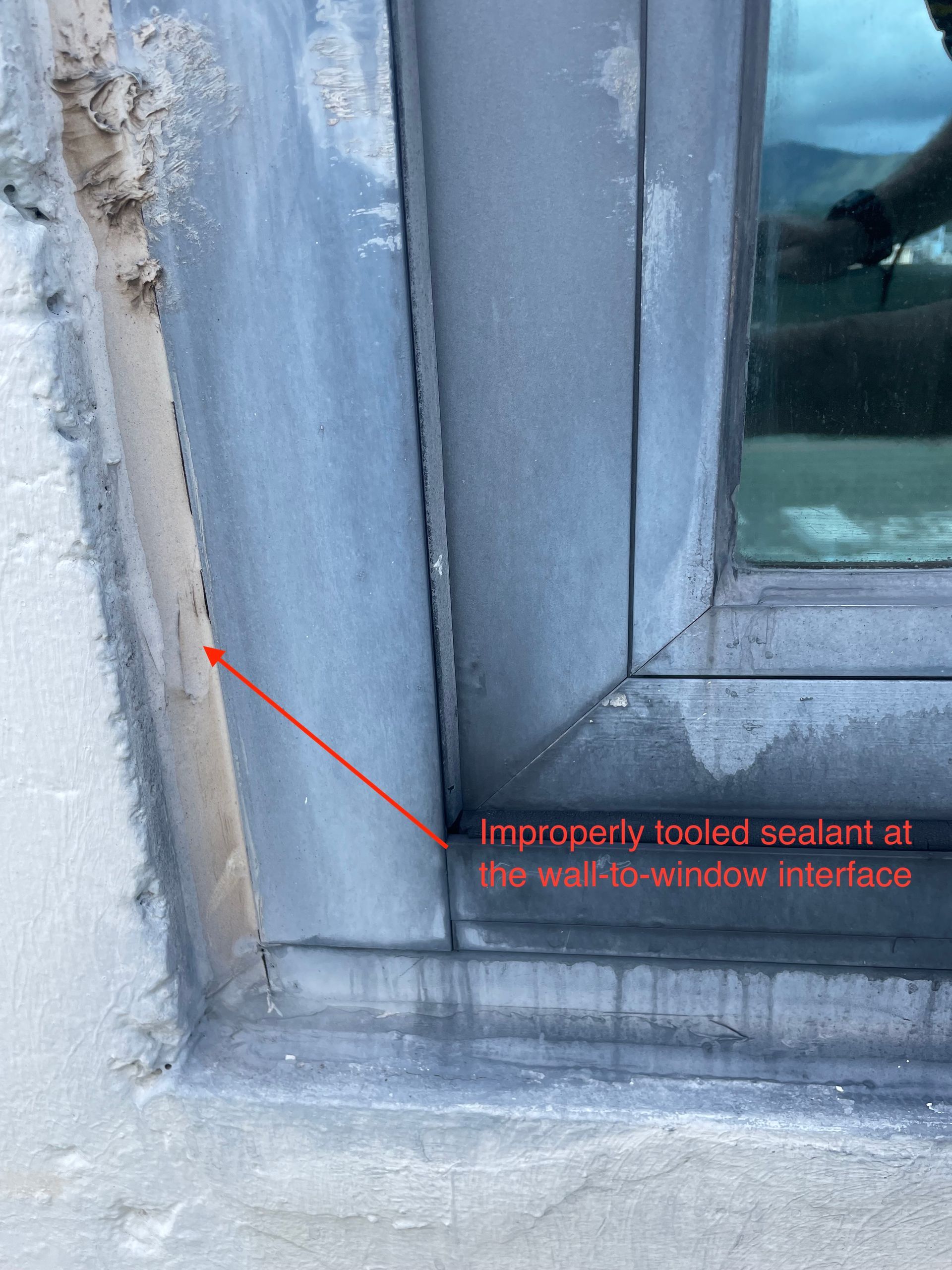
The entry point and the damage point are frequently not the same location. Tracing the actual source can reveal an array of problems and often cannot be discovered by the naked eye. But don't let this scare you.
There are professionals who can help you discover what is creating the vulnerabilities within your building and there are ways to address every issue. These are decisions best made on your terms, before the weather makes them for you.
For boards and property managers, this has a direct operational implication. Responding only to visible damage is reactive management. The repair you authorize today may not address what caused the problem, which means the cycle repeats, the costs accumulate, and the liability exposure grows.
The building envelope is a system, not a surface
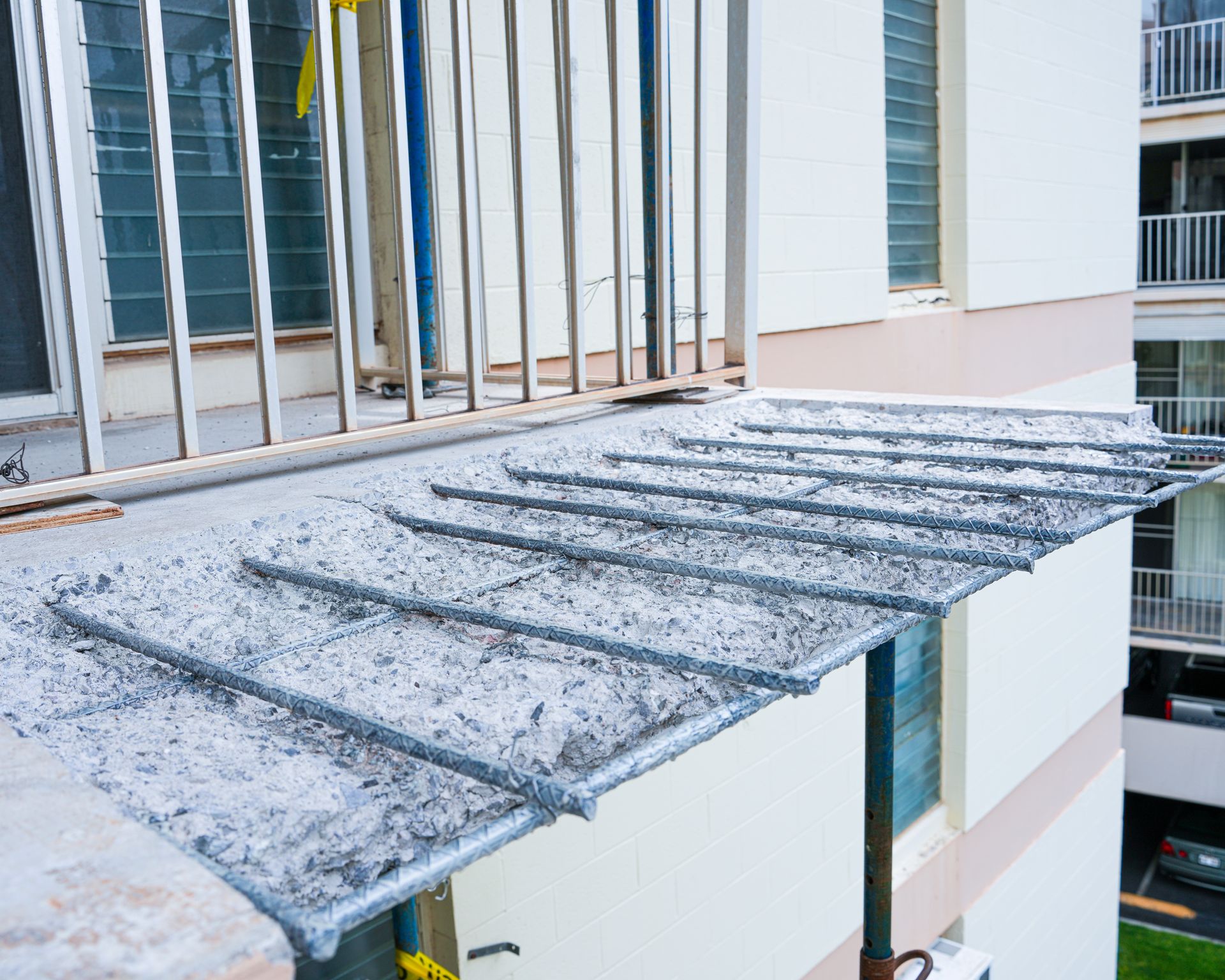
Much attention is paid to horizontal waterproofing: the decks, walkways, and roof surfaces that sit above occupied spaces. These systems are important and well understood. What is less frequently discussed is the vertical component of the building envelope, including exterior walls, window systems, and the transitions between them.
Window leaks deserve particular attention here. The default assumption that a leaking window means failed exterior sealant is often incomplete. In buildings that are 40 to 50 years or older, the failure frequently originates inside the window frame itself, at miter joints where frame sections meet, internal drainage dams that redirect water away from occupied space, and frame seals that have long exceeded their service life. When these internal components deteriorate, water can enter a structurally sound-looking window assembly in ways that no amount of exterior sealant replacement will resolve. The source of the leak is simply not where the repair is being applied.
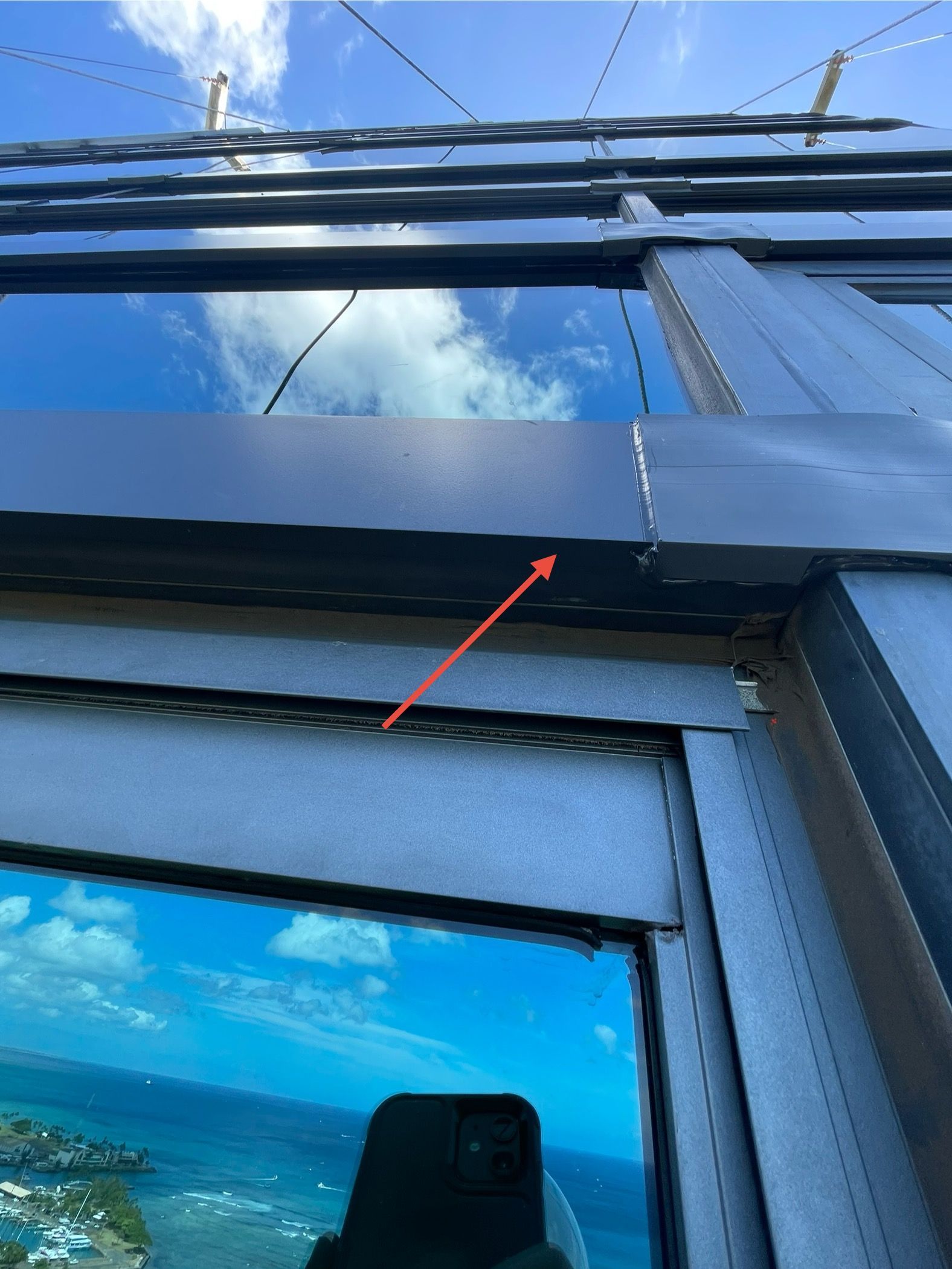
In these cases, the distinction matters significantly. Some conditions can be addressed with targeted repairs. Others have progressed to the point where full window replacement is the only solution that actually closes the vulnerability. Understanding which situation you are dealing with before authorizing any scope of work is what separates an effective repair from a repeated expense.
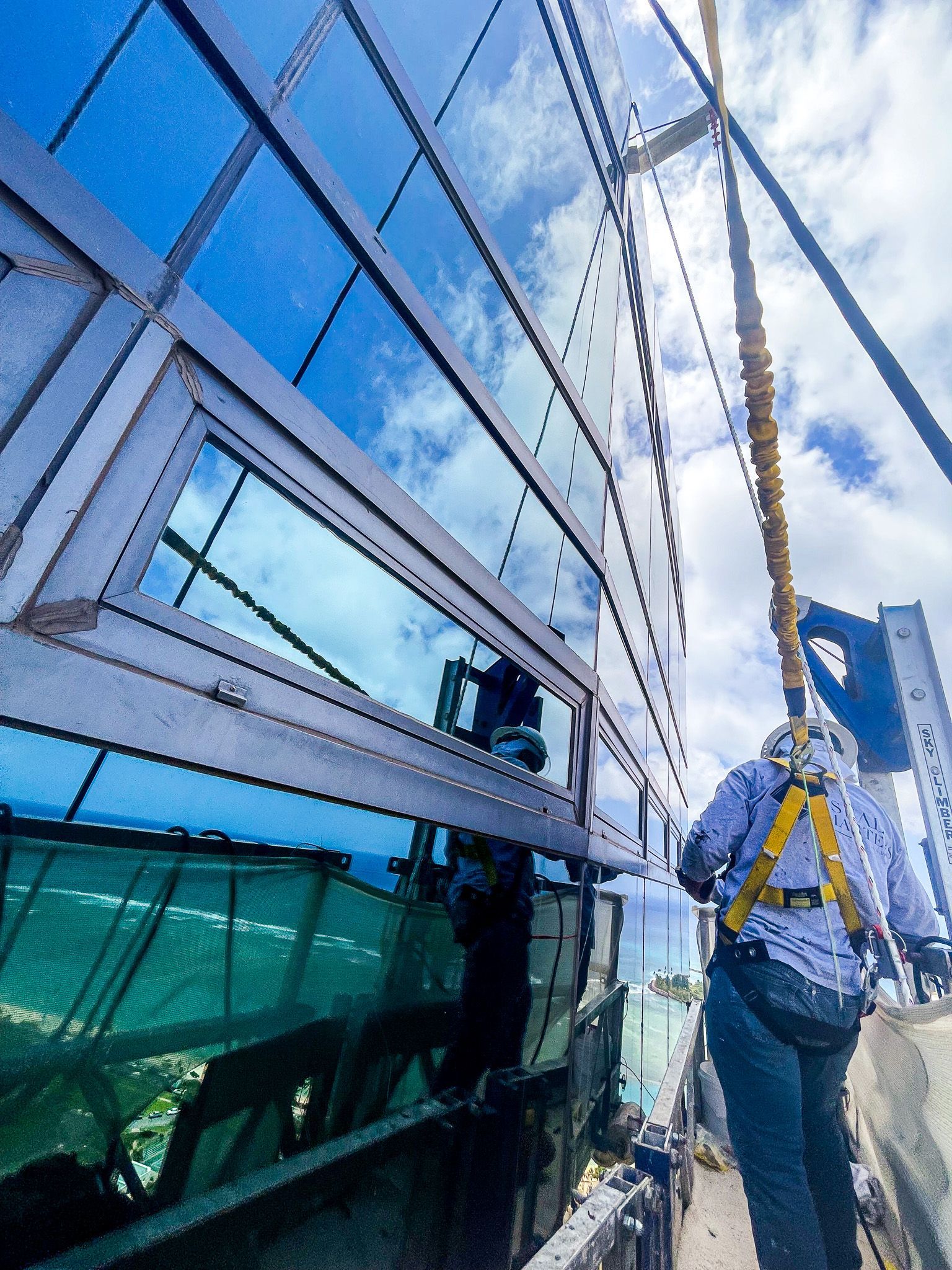
Wind-driven rain behaves very differently from vertical rainfall. It pushes water laterally and upward into areas that gravity alone would never reach. Facade assemblies and window systems that were never tested under those conditions can fail in ways that surprise even experienced building staff.
Acting early is a financial strategy, not just a precaution
The good news is that the window between awareness and action is still open. If your building is ten years or older, some degree of wear is not a warning sign. It is simply what buildings do over time. The question is not whether your building has vulnerabilities. It is whether you know where they are.
A professional inspection scheduled now, before conditions worsen or damage moves interior, is the most efficient use of your maintenance budget. It gives you documentation, a clear scope of what needs attention, a baseline for tracking your building over time, and the information boards need to make confident decisions on behalf of owners.
Contractors and inspectors are also significantly more available right now than they will be once the backlog from storm season builds. Acting in this window means better access, better scheduling, and more control over the process. The goal is not to react to your building. It is to understand it well enough that you are never caught off guard.
Questions Worth Raising at Your Next Meeting
- When did we last have a qualified professional assess our building envelope?
- Have reported water intrusion points been traced back to a common source?
- Before approving window sealant repairs, has anyone ruled out internal system failure?
- What does another year of deferred envelope work cost us?

Joe Miller
Joe Miller brings decades of experience in exterior restoration and construction. Starting as a field technician in 1996, he advanced through leadership roles and drives company culture and client-focused service.
smh@smh-hi.com · 808-841-7602 · sealmastershawaii.com
1 Preliminary state damage assessments, March 2026. Reported by Time, CBS News, and NBC News. AccuWeather's independent preliminary estimate places total damage and economic loss from the back-to-back Kona low systems at approximately $2 billion.