Railing Systems Built for Hawaii's Coastal Environment
Why Anodized Aluminum Railings Outlast Painted Steel in Hawaii's Salt Air

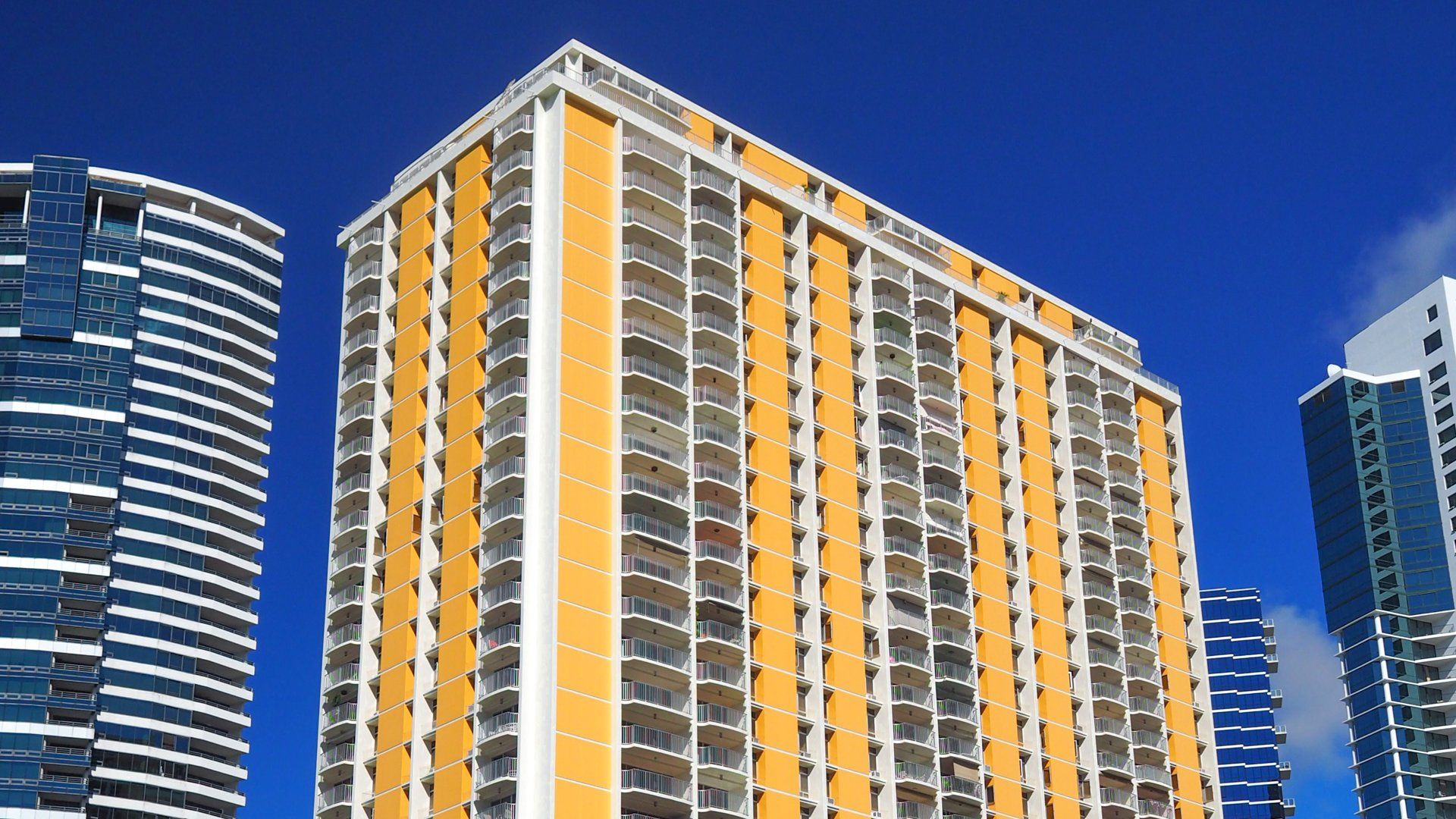
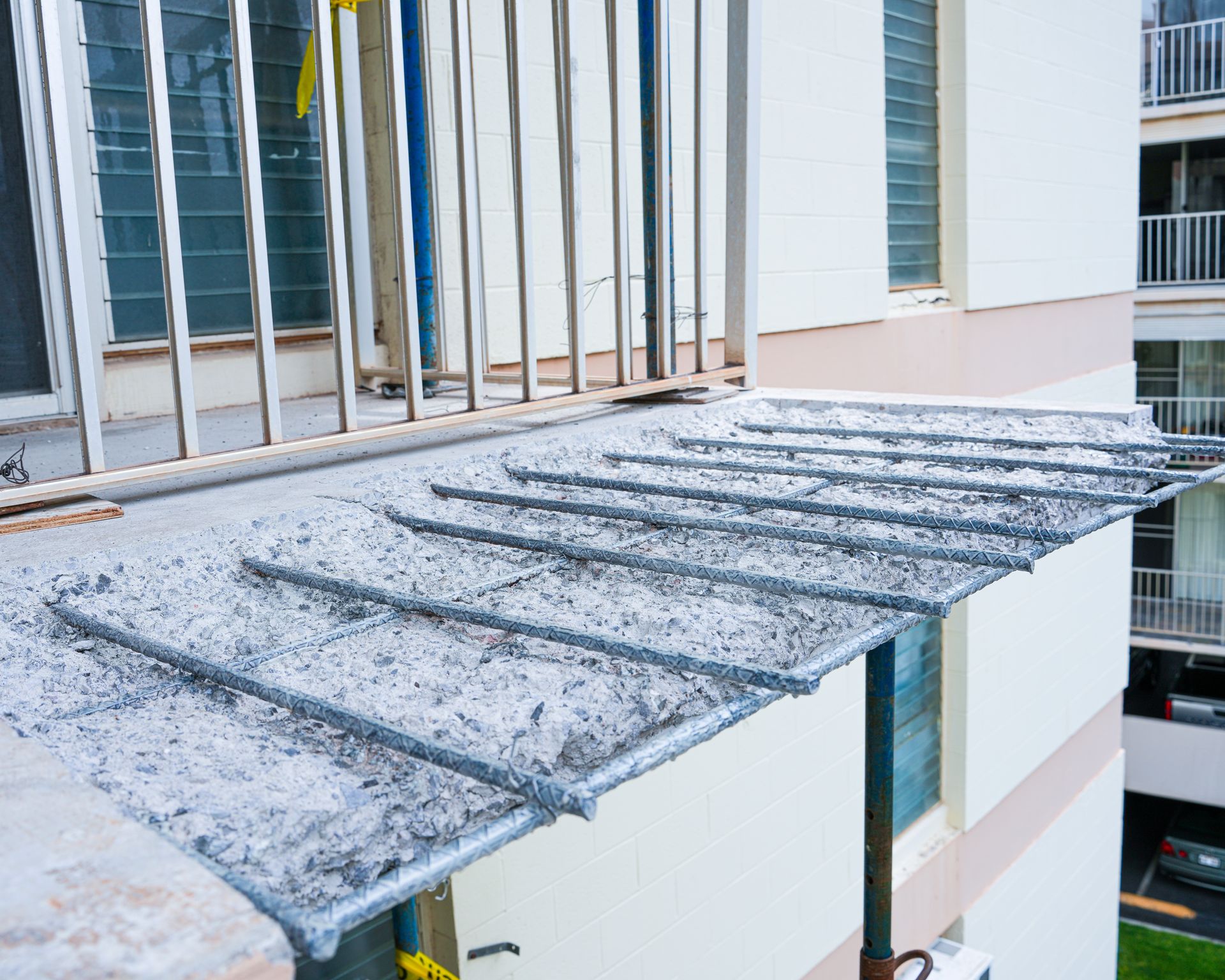
Take a walk around Honolulu and look up at a condominium or hotel built before 1960. Chances are it has concrete balconies about 3-4 inches thick, with painted steel railings either welded to the edge of the slab or set straight into the concrete. Those railings have been battling Hawaii's harsh coastal environment for decades. The high airborne chloride content in Hawaii's salt air takes a damaging toll on metals and protective coatings, and after more than sixty years, many of these original systems have reached the end of their service life.
Why Anodized Aluminum Holds Up in Salt Air
Beginning in the 1960s, many Honolulu builders started using anodized aluminum railings, and most of those installations have performed far better than painted steel. Anodizing is an electrochemical process that converts the outer surface of the aluminum into a protective layer of aluminum oxide. Unlike paint, this finish becomes part of the metal itself, so it will not peel or flake.
The most common specification for architectural railings, windows, and storefront systems is a Class I anodic coating with a minimum thickness of 0.7 mils. At that thickness, anodized aluminum provides excellent long-term durability and weathers exceptionally well, even just steps from the ocean.
Fasteners Are the Weak Point
The weak point of many older aluminum railing systems in Hawaii is the fasteners. Earlier systems often used galvanized steel fasteners or a mixture of carbon steel and stainless steel components. When you see rusty screws holding together an older aluminum railing, the steel fasteners are usually corroding from years of exposure to Hawaii's marine environment. Because the steel is in direct contact with aluminum, galvanic corrosion can also accelerate deterioration once the protective finish on the fastener has been compromised.
During the 1980s, zinc-aluminum flake coating systems became widely available for fasteners. These multi-layer coating systems combine zinc and aluminum flakes with an inorganic binder and a protective sealer to provide significantly improved corrosion resistance compared to traditional galvanized fasteners.
Today, we use coated 316 stainless steel fasteners throughout our aluminum railing systems. They have provided excellent long-term performance in Hawaii's coastal environment.
Three Ways to Mount a Railing
Beyond the right fasteners, the other major factor in how long a railing system lasts is how it is mounted. There are three main methods of attachment to a concrete balcony: core mount, surface mount, and side mount. Each has benefits and drawbacks, and for replacement railings, the as-built conditions often dictate which method is used.
Core Mount
Beyond selecting the proper fasteners, one of the biggest factors affecting the longevity of a railing system is how it is attached to the concrete structure. The three most common attachment methods are core mount, surface mount, and side mount. Each has advantages and limitations, and the existing building conditions often determine which method is most appropriate for a replacement project.

Surface Mount
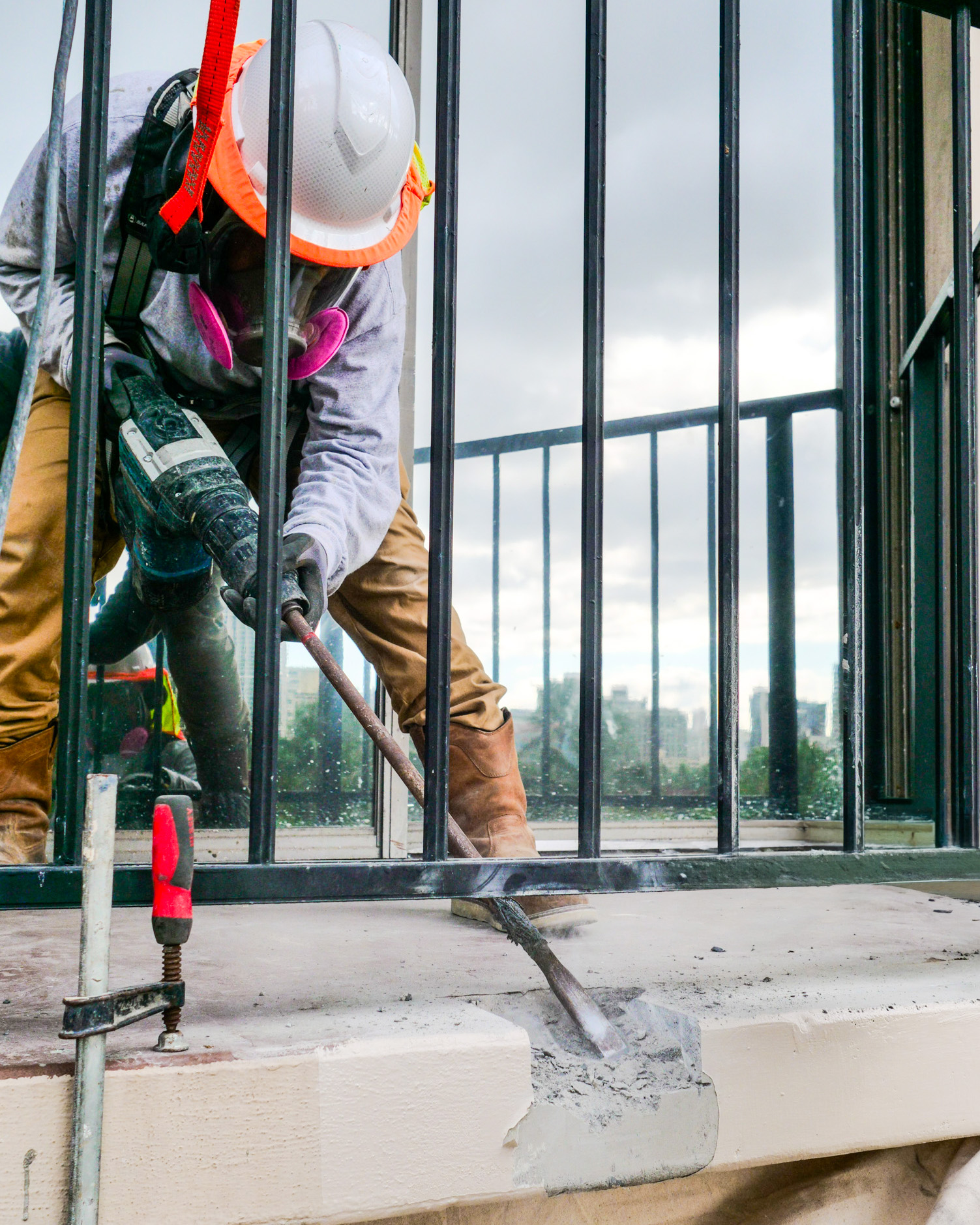
A surface mount post attaches to a base plate fastened to the top of the concrete. We use 316 alloy stainless steel threaded rods set in structural epoxy, which seals the hole and prevents moisture from seeping in and causing corrosion. A hard rubber pad under the aluminum base plate isolates the anodized aluminum from the concrete.

Side Mount
Side mounting is a good option because it increases usable balcony space and provides the most separation between the concrete and the post. The post attaches to the balcony edge with angle brackets or bent plates, isolated from the concrete with hard rubber pads. 316 alloy stainless steel threaded rods are set into the balcony edge with structural epoxy, and additional rods can be placed under the balcony if engineering calls for it. The epoxy seals the drilled holes to keep moisture out.

The Bottom Line for Hawaii Buildings
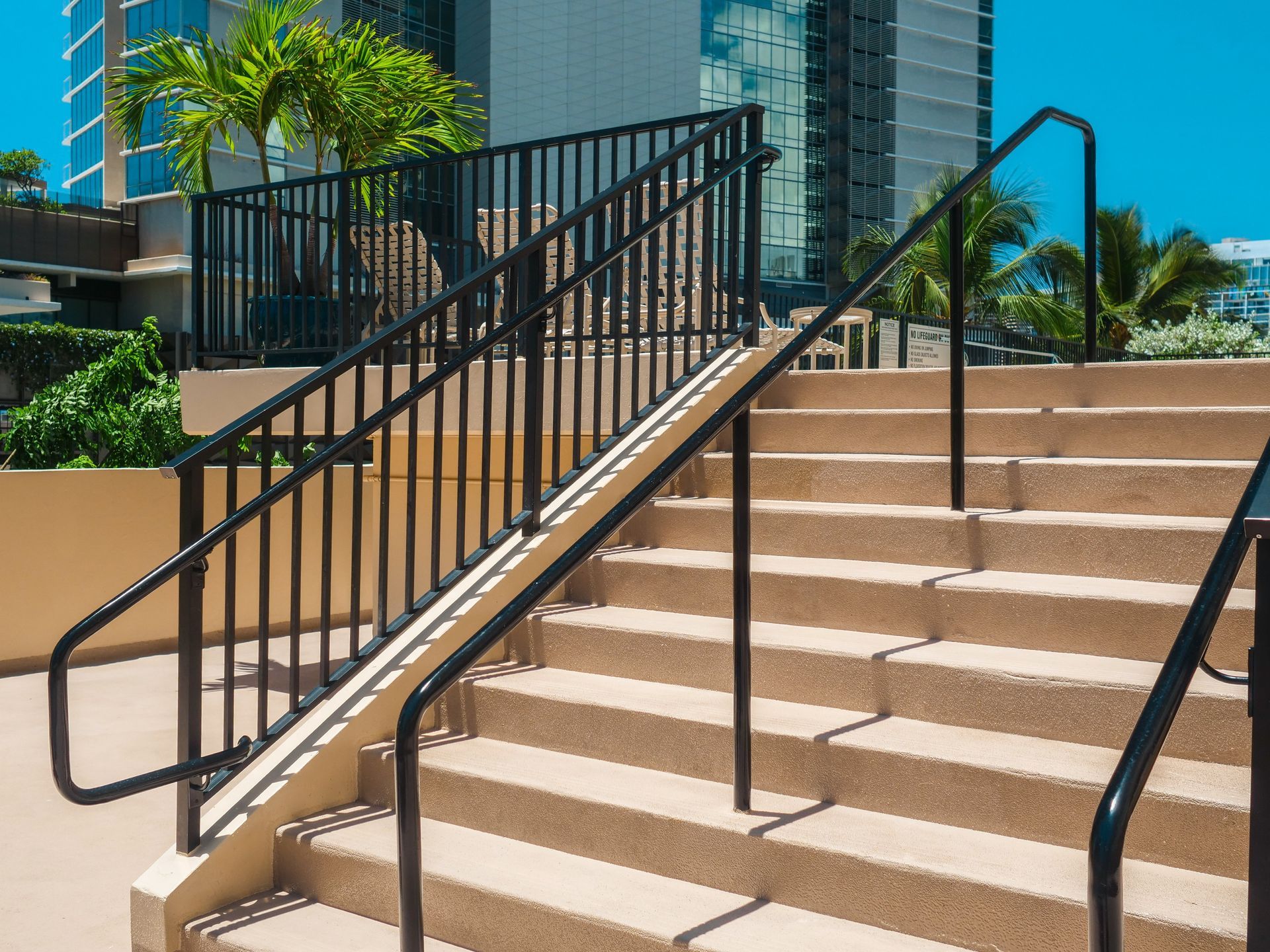
Anodized aluminum railing systems are a proven choice for Hawaii's aggressive coastal environment, with a long track record of successful installations here and in coastal regions across the country. Keep in mind that when railings are replaced, the new system must meet current building code requirements for height, strength, and openings, which is one more reason replacement projects deserve careful engineering and an experienced installer. The right fasteners, combined with a carefully executed installation, will deliver a long-lasting, low-maintenance system.
If your building's railings are showing rust stains, loose posts, or flaking paint, Seal Masters of Hawaii can assess their condition and walk your board through replacement options.